
Market studies claim that by eliminating intermediaries, decentralized networks may assure transparent transactions and minimize costs.
Investors appear to be unsure about the advantages of adding Bitcoin to their portfolios because it is anticipated to play a significant role in decentralized finance (DeFi). It is thought that using Bitcoin in a portfolio can diversify advantages and aid in lowering total risks.
According to market research company Allied Market Research’s insights, the worldwide crypto asset management market was valued at $0.67 billion in 2020 and is projected to rise by 30.2% CAGR from 2021 to 2030 to reach $9.36 billion. According to Prashant Kumar, founder, and CEO of weTrade, a cryptocurrency-based platform, “to measure the effect of Bitcoin on portfolio diversification, one should look at how it has diversified with traditional financial assets, developing markets, and commodities.”
Decentralized networks can help assure transparent transactions and minimize prices by cutting out middlemen, according to industry surveys. According to Alexandria, a website with instructional information, investors who use Bitcoin should diversify their portfolios by holding a variety of digital assets since volatility boosts both gains and losses. Furthermore, Bitcoin is seen as suitable in terms of assets that serve as stores of value.
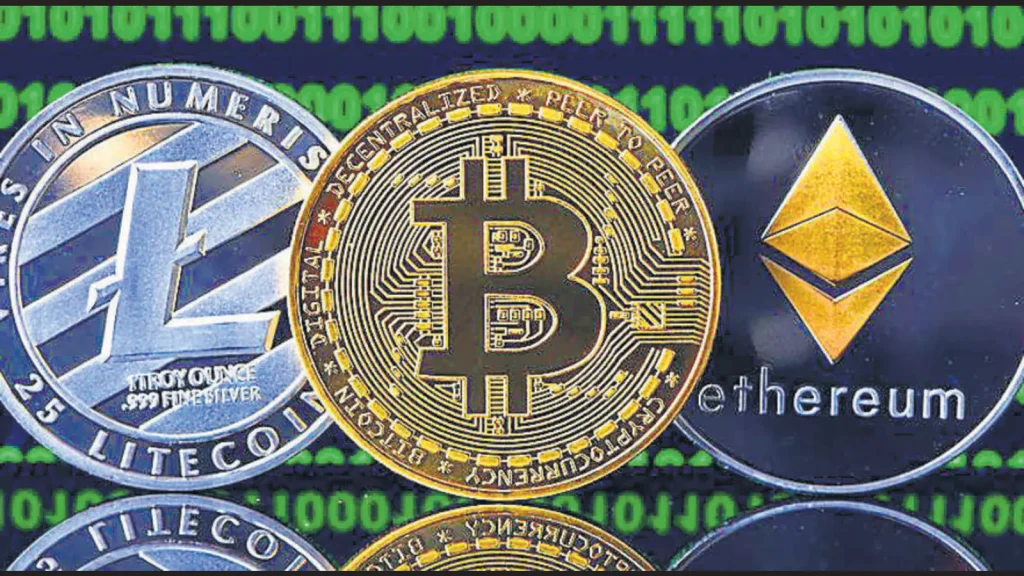
“Investing in Bitcoin and other cryptocurrencies contributes to industry diversity. According to Edul Patel, co-founder and CEO of Mudrex, a worldwide cryptocurrency investing platform, “decentralization allows for security and autonomy for investors as transactions are certified by a group of users rather than a single authority.”
Investors with Bitcoin-based holdings, however, should be on the lookout for ponzi scams and fraudulent initial coin offerings (ICOs). A blockchain-based platform called HoneyBricks has demonstrated that Bitcoin-based portfolios can result in taxation issues and reduced investment returns. According to reports, crypto portfolios can help industries like healthcare, transportation, supply chain, real estate, and private equity, among others.
In terms of security and decentralization, market research forecasts that Bitcoin-based portfolios will contribute to the DeFi landscape. An academic organization, Ohio State University, published a study report claiming that Bitcoin has minimal correlations with other stocks and that its portfolios may guarantee greater returns than those without the currency, given its volatility element. As the field continues to expand and flourish, I think it is essential to comprehend DeFi and to be prepared to work with and rely on these technologies, said Ravindhar Vadapalli, professor of blockchain, analytics, and finance at the Mittal School of Business, a university.