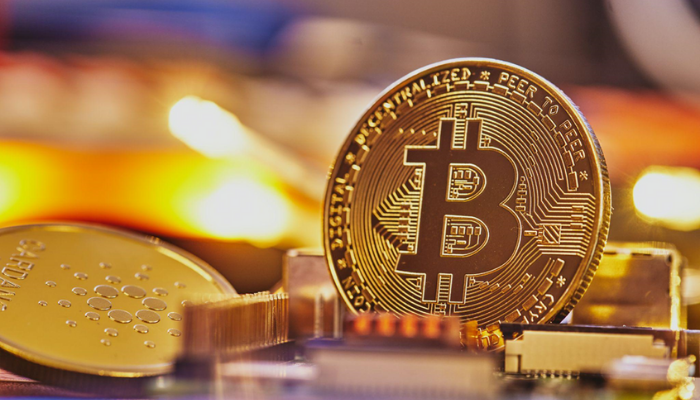
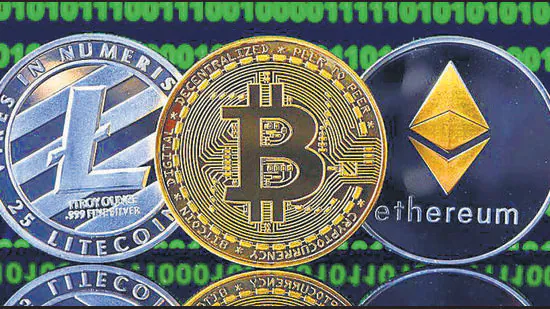

According to experts, cryptocurrency is traded in India as an asset class rather than a fiat currency.
The epidemic caused a complete 180-degree reversal in people’s investing practices. As more and more individuals began working from home, many expenditures decreased and they discovered that they had more money available for discretionary spending. Fintech businesses that aimed to make investing simple for their clients were on the rise at the same time. Conversations about cryptocurrencies and their proven track record as a source of returns on investments also attracted investors. The number of signups on Indian cryptocurrency exchange platforms grew during this time, and trade volumes also rose dramatically.
Following the epidemic, individuals began going back to work, the economy was about to fall, and many others were also laid off. While the technology and the industry have both been profitable, 2022 was, as analysts have correctly stated, a brutal winter for cryptocurrency. These variables are to blame for some of the leading cryptocurrencies, including Bitcoin and Ethereum, falling by more than 60%. The bankruptcy of FTX, the world’s biggest cryptocurrency exchange, worsened the situation.
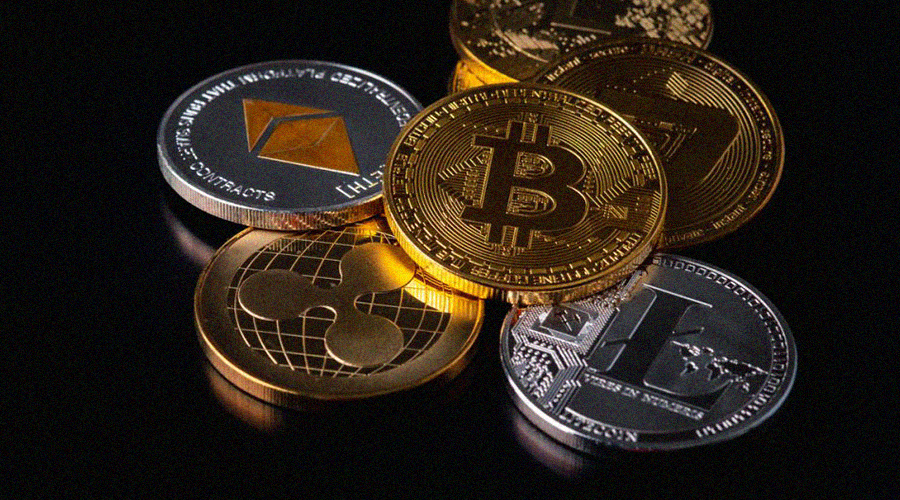
Many other exchanges followed suit, including BlockFi, which declared bankruptcy following regulatory inquiries. Investors are wary of trading because of the inadequate laws and governments’ resistance to using cryptocurrencies as legal tender. The Reserve Bank of India has likewise steadfastly denied the legitimacy of cryptocurrencies while maintaining a high level of caution. Historically, many have viewed cryptocurrencies as a threat to macroeconomic and financial stability.
Cryptocurrencies are traded in India as asset classes rather than as fiat money. A 30% tax and a 1% TDS were announced for people’s cryptocurrency investment portfolios at the start of the year. Due to this, trading volumes on cryptocurrency exchange platforms in India decreased, and as a result, trade volumes on platforms for foreign exchange rose. This was done in an effort to avoid taxes and traceability requirements that were previously imposed with KYC on Indian trading platforms.
The reality that cryptocurrencies have always been a volatile asset class is something that most people try to ignore. Despite this, they have consistently demonstrated good long-term returns. According to market trends, one bitcoin was worth almost $64,000 at its most recent peak, a far cry from its initial days when it traded for less than $0.10.
Resuming from the beginning, blockchain technology—which is so innovative that it is fueling Industrial Revolution 4.0—is the source of cryptocurrency. Using the same blockchain technology as cryptocurrency, nations worldwide, including India, have created the Central Bank Digital Currency (CBDC). The primary distinction between them is that whereas crypto is privately held, decentralized, and an asset class, CBDCs are conceived, controlled, and a substitute for fiat money.
Even if there was some trepidation about investing in cryptocurrencies due to the failure of the top international exchanges, investor confidence is still quite strong. They view the value decline as a chance to increase their investment portfolio. The only issue left is how to incorporate cryptography into the existing system. Cryptocurrency is still one of the most popular business sectors for start-ups and established companies, particularly in India with its sizable tech-savvy population.