
Market research has revealed that after the Ethereum Merge, developers have indicated a desire to create sophisticated and complicated dApps.
According to market perceptions, decentralized apps (dApps) are dependent on the Ethereum blockchain to thrive. Developers are thought to be able to create smart contracts and decentralized applications because of Ethereum’s decentralized and open-source nature.
In the first quarter of 2022, there were 105.58 million total Ethereum transactions, according to Alchemy, a Web 3.0 development platform. The overall number of Ethereum smart contracts was 1.45 million, and during the same time period, there were 3,29,900 daily active Ethereum addresses. A new decentralized ecosystem with lower prices, more functionality, and scalability has been established as a result of the merger, with the goal of accelerating development. According to Prashant Kumar, founder and CEO of weTrade, a cryptocurrency-based platform, “dApps may monetize utilizing numerous approaches, such subscriptions, transaction fees, and digital products, among others, just like traditional applications do.
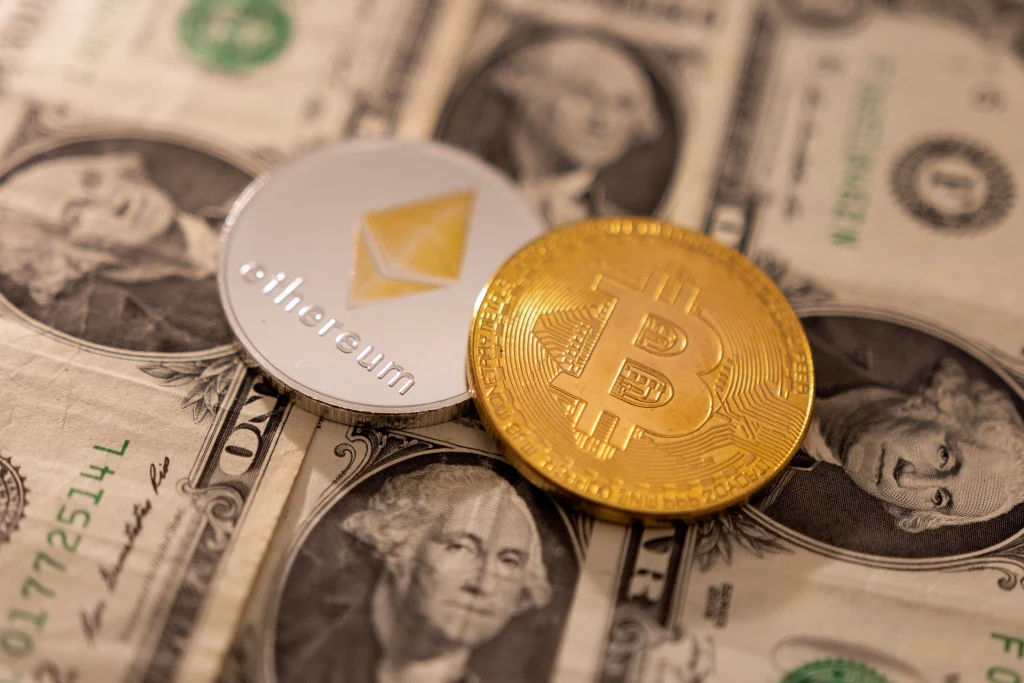
According to market research findings, developers have shown a desire to create sophisticated and complicated dApps in the wake of the Ethereum merger. dApps like MakerDAO, IDEX, Bancor, and CryptoKitties, among others, have the potential to improve the networking capabilities of the Ethereum ecosystem, according to Cryptopedia, a website for learning about cryptocurrencies. Market experts have noted that the utility token ERC-20 for Ethereum is used by dApps to enable them to monetize their assets on various crypto platforms.
Many dApps create their own tokens that may be used to get access to particular platform features or services. According to Sathvik Vishwanath, co-founder and CEO of cryptocurrency exchange Unocoin, these tokens may also be purchased and sold on cryptocurrency exchanges, enabling dApp developers to make money through token sales.
Ethereum is being used to create dApps by businesses including Uniswap, Dark Forest, PoolTogether, and Gnosis, among others. Market analysts have projected that industries including banking, supply chain management, social media, real estate, and identification and authentication may gain from dApps built on the Ethereum platform. In addition, concerns have been expressed about Ethereum-based gas pricing and how they may change in response to network demand and dApp costs. However, the software firm BlockNative Corporation emphasized that Ethereum Merge was able to provide the technological foundation for future gas fee optimizations.
As the market aims to expand even in a recession, there is a monetization opportunity for decentralized applications (dApps) in token launch activities, initial coin offerings (ICOs), donations, and transaction fees, according to Ravindhar Vadapalli, professor of blockchain & finance at Mittal School of Business, Lovely Professional University (LPU), a university.