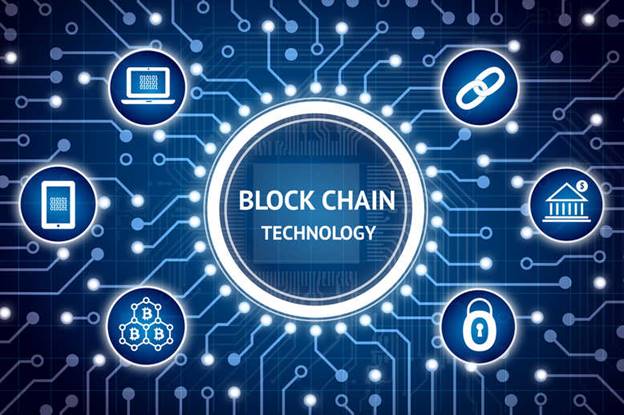


Since blockchain is used to record transactions across a global computer network, it has reportedly been connected to bitcoins and other cryptocurrencies.
Businesses from all sectors are modernizing by implementing cutting-edge technologies like blockchain, artificial intelligence, and machine learning, among others, to stay ahead of the curve in the contemporary day. In this regard, blockchain is proving to be a game-changer for a wide range of businesses. The global blockchain market is anticipated to reach $67.4 billion by 2026, growing at a CAGR of 68.4%, according to MarketsandMarkets. According to the poll, other factors fueling the growth of the blockchain industry include the widespread usage of blockchain across industries, the high level of adoption of blockchain-based payment and smart contract solutions, and growing government initiatives.
Since blockchain is used to record transactions across a global computer network, it has long been associated with bitcoins and other cryptocurrencies. However, as more industries use blockchain and all of its potential, the concept is dwindling and seeing a spike. 56% of Indian companies, according to Research and Market, are using blockchain technology in their fundamental business processes. According to this viewpoint, the market for electric vehicles is not falling behind in terms of utilizing the technology’s full potential. Because of this, blockchain technology is also having a big impact on the EV industry and will help it reach new heights in the next years.

Like other industries, the EV sector is undergoing a fast transformation as the market expands to include more than simply transportation. In the twenty-first century, cars are mobile data centers equipped with sensors and disruptive technologies that gather data from the vehicle. Blockchain can also increase trust and cooperation between businesses, consumers, and autos by facilitating safer, traceable transactions and enhancing information availability and transparency.
There is no doubt that automakers are interested in blockchain and are putting money into the technology strategically. Although blockchain has the potential to challenge the status quo, its potential is greatly increased when combined with IoT, AI, and big data. Blockchain in the sector becomes even more important given that the advantages of expanding EV adoption will be amplified if the electricity utilized for charging is clean.
The automobile sector is already utilizing blockchain in today’s technologically advanced world. Such use cases will be pertinent to the EV industry as the majority of cars will be electric. Blockchain applications for EV-related procedures will promote the growth of the EV industry. The lack of charging facilities and the high cost of cars are some of the disadvantages, in addition to the advantages. Therefore, by utilizing blockchain for EV operations, these difficulties may be resolved.