

The tax rates set forth for virtual digital assets will only apply to NFT trades without a concomitant sale of the underlying physical asset, according to the Central Board of Direct Taxes (CBDT), a section of the Ministry of Finance responsible for revenue (VDAs).
Notably, earnings from transactions involving VDAs, including cryptocurrencies and NFTs, would be subject to a 30% income tax and a 1% tax deduction at source (TDS) will be applied to these transactions in order to trace them, according to Union Finance Minister Nirmala Sitharaman’s budget statement.
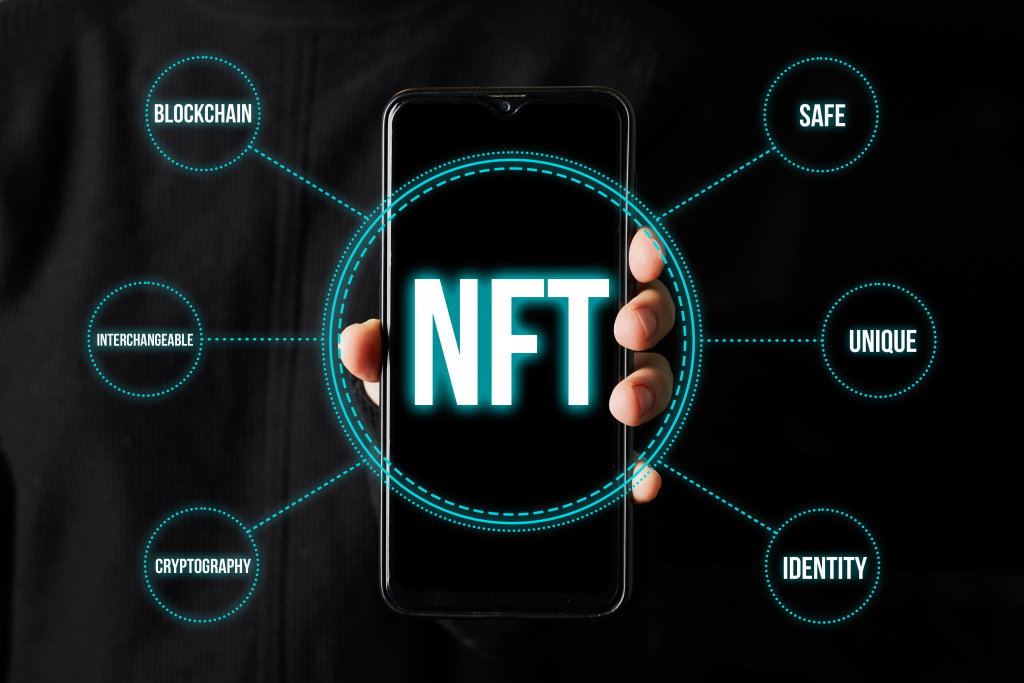
Non-fungible tokens, or NFTs, are individual cryptographic tokens that exist on a blockchain and cannot be replicated. They have a unique identification number and information. These function similarly to communication or information tokens, but unlike cryptocurrencies like Bitcoin or Ethereum, they are neither fungible nor interchangeable.
Loyalty cards, gift cards, vouchers, mileage miles, and reward points are not VDAs and will not be taxed, according to another notification from CBDT.
Industry expert Vineet Budki, Managing Partner & CEO, Cypher Capital, expressed his thoughts to News18 after these notices were made public. The central government is making efforts to define what counts as a VDA and what is subject to taxation under the new law, he claimed. After this announcement, trades of VDAs that entail the sale of a physical item will be subject to taxes on the underlying asset rather than being taxed.
“This opens avenues for businesses who aim to utilize NFTs to tokenize actual assets and use them to facilitate ownership transfer between parties,” he continued.
He said that there is still a lot of confusion over how this would operate and what actions parties must take to continue to be compliant. According to Budki, the development of a thorough framework for overseeing VDAs is simply a question of time.
Many business insiders assert that this is the first time the government has defined NFTs in an indirect manner, according to a Moneycontrol article.
According to Raghav Bajaj, Counsel at Khaitan & Co, NFTs do not yet have a notified definition, but the government has implied that any token that meets the requirements for a VDA is an NFT.
Additionally, he pointed out that the Centre has made it plain that no NFT trade, including the transfer of ownership of the underlying physical item, qualifies as a VDA.
However, it is interesting that new legislation regarding TDS on VDAs and cryptocurrencies came into effect on July 1 for transactions totaling more than Rs 10,000, and Indian bitcoin exchanges have already started implementing them on their platforms.