

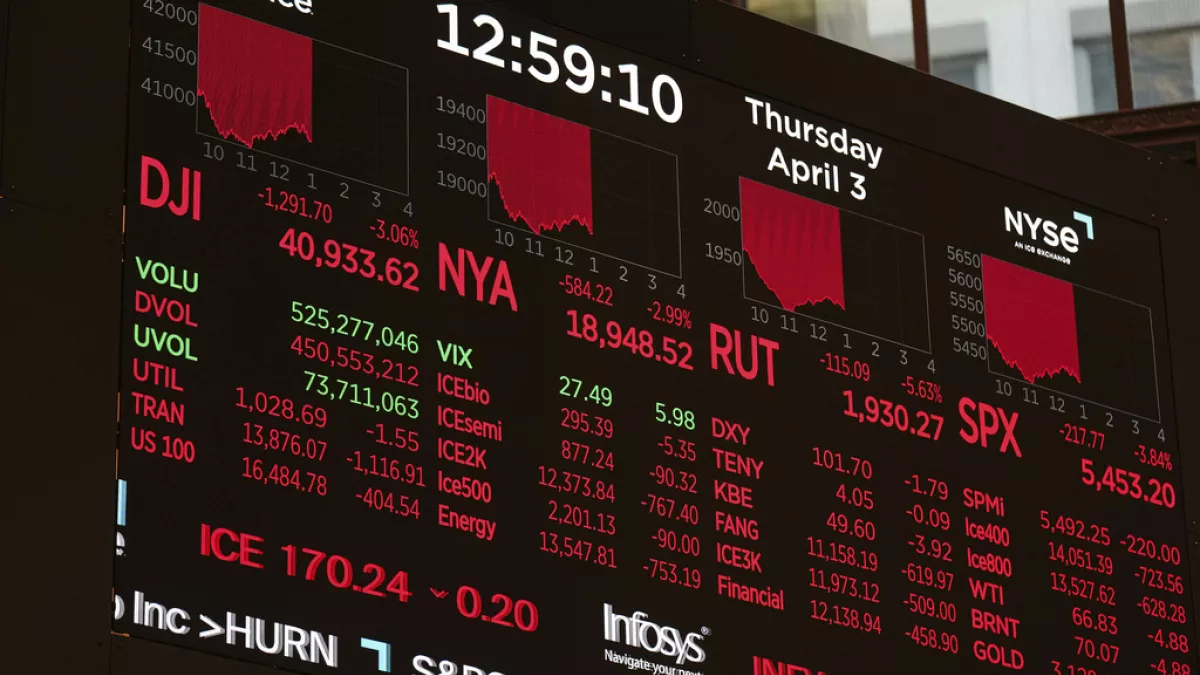

After a strong run in 2025, the U.S. economy is entering a more uncertain phase. Following Donald Trump’s election victory, markets surged on optimism around tax cuts, deregulation, and business-friendly policies. At the same time, the rapid rise of artificial intelligence helped fuel impressive gains, pushing the S&P 500 up nearly 18%—well above its long-term average.
But that early excitement may be fading. As 2026 unfolds, new risks are emerging that could challenge the strength of the economy—and potentially trigger a drop in stock valuations.
Let’s break down the three biggest threats investors should be watching.
1. The Iran Conflict Could Reshape Global Energy Markets
A War With Global Consequences
The ongoing conflict involving Iran is no longer a short-term concern. What started as targeted military action has expanded into a broader regional crisis, affecting major oil producers across the Middle East.
One of the biggest issues is disruption to global oil supply, especially through the Strait of Hormuz—a critical passage for energy exports.
Oil Prices Are Surging
Oil markets have already reacted sharply:
- Crude oil prices have jumped around 74% this year
- Prices are now hovering near $100 per barrel
- Supply disruptions are expected to continue
Damage to oil infrastructure has made things worse. Reports suggest a significant portion of refining capacity in the Gulf region has been affected, reducing global supply by millions of barrels per day.
Long-Term Impact on the Economy
This isn’t just about short-term price spikes. If the conflict continues:
- Energy costs could remain high for years
- Investment in the region may slow due to risk
- Global supply chains could face ongoing disruptions
All of this creates uncertainty for businesses and investors alike—and uncertainty is rarely good for markets.
2. Inflation Could Make a Comeback
Why Energy Prices Matter
Higher oil prices don’t just affect gas at the pump. Energy is a key input across the entire economy, including:
- Transportation and shipping
- Manufacturing
- Electricity generation
When energy costs rise, businesses often pass those costs on to consumers. That’s how inflation spreads.
Inflation Is Already Creeping Up
Analysts expect inflation to tick higher in the coming months. While the increase may seem small on paper, it comes at a time when consumers are already feeling financial pressure.
Even a modest rise in inflation can:
- Reduce purchasing power
- Lower consumer confidence
- Slow economic growth
A Tough Situation for the Federal Reserve
The Federal Reserve now faces a difficult balancing act.
Normally, the Fed might lower interest rates to support economic growth. But if inflation is rising, cutting rates could make things worse.
This means:
- Interest rates could stay higher for longer
- Borrowing costs for businesses will remain elevated
- Economic growth could slow down
Why This Hurts Stocks
Higher interest rates are typically bad news for the stock market because:
- Companies face higher costs to fund operations
- Future profits are valued less by investors
- Riskier investments become less attractive
Together, these factors can put downward pressure on stock prices.
3. Rising Energy Costs Threaten the AI Boom
AI Has Been Driving Growth
Over the past few years, artificial intelligence has been a major engine of economic growth. Massive investments in data centers and computing infrastructure have helped keep the economy moving forward.
Big tech companies are expected to spend hundreds of billions of dollars on AI infrastructure this year alone.
But AI Is Extremely Energy-Intensive
Here’s the catch: AI systems require enormous amounts of energy to operate.
For example:
- AI queries can consume far more energy than traditional searches
- Data centers run continuously and require constant power
- Many facilities depend on fossil fuels like natural gas
As energy prices rise, the cost of running AI systems increases as well.
Profitability Is Already a Concern
Many AI projects are still not profitable. Companies are investing heavily now with the hope of future returns—but rising costs could make that path even harder.
Some warning signs are already appearing:
- Companies are scaling back certain projects
- High operating costs are becoming a bigger issue
- Investors are starting to question long-term returns
A Potential Turning Point
If energy costs continue to climb, the economics of AI could change dramatically.
That could lead to:
- Slower investment in new projects
- Delays in infrastructure expansion
- Reduced enthusiasm from investors
In other words, one of the biggest drivers of recent market growth could start to lose momentum.
The Bigger Picture: A Perfect Storm for Markets
Multiple Risks Converging
What makes this situation particularly concerning is that these risks are interconnected.
- War drives up energy prices
- Higher energy prices increase inflation
- Inflation keeps interest rates high
- High rates and costs slow economic growth
At the same time, rising costs are putting pressure on the AI sector, which has been a key pillar of recent market gains.
Why 2026 Could Be a Turning Point
The strong performance of 2025 was built on optimism—about policy, technology, and economic growth.
But 2026 is shaping up to be more about reality.
Investors may need to adjust expectations as:
- Economic conditions become more challenging
- Growth slows in key sectors
- Uncertainty increases across global markets
What Should Investors Do?
Stay Focused on the Long Term
While short-term volatility may increase, it’s important for investors to keep a long-term perspective.
Market downturns are a normal part of economic cycles, and they often create opportunities for disciplined investors.
Watch Key Indicators
Some important signals to monitor include:
- Oil and energy prices
- Inflation trends
- Interest rate decisions
- AI investment activity
These factors will play a major role in shaping market performance over the next year.
The U.S. economy is entering a more complex and uncertain phase. While strong growth and technological innovation fueled recent gains, new challenges are emerging that could test the market’s resilience.
From geopolitical conflict to rising inflation and shifting AI economics, several forces are coming together at once. Whether these pressures lead to a major downturn remains to be seen—but the risks are clearly growing.
For investors, 2026 may not be as smooth as the year before. Staying informed and prepared will be key to navigating what could be a pivotal moment for the economy.