
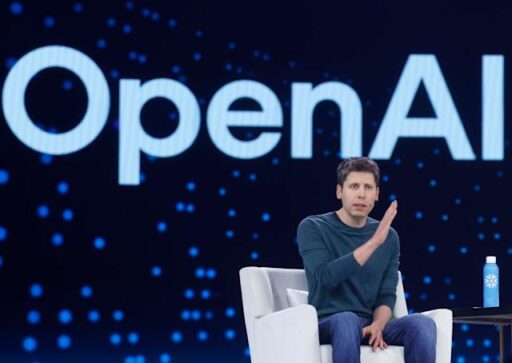

OpenAI has made a surprising move — not in software, not in research, but in media.
The company has officially acquired TBPN, a well-known daily tech podcast that has become a go-to source for conversations around startups, innovation, and artificial intelligence.
At first glance, it might seem like an unusual deal. Why would one of the world’s leading AI companies buy a podcast?
But once you look deeper, the strategy becomes clear. This isn’t just about content — it’s about shaping how the world understands AI.
What Is TBPN and Why It Matters
A Podcast Built for the Tech World
TBPN is a fast-growing technology podcast hosted by John Coogan and Jordi Hays. Over time, it has built a strong reputation among tech enthusiasts, founders, and investors.
What makes TBPN stand out is its daily format and its ability to stay close to real-time conversations in the tech industry.
High-Profile Guests and Influence
The show has featured some of the biggest names in technology, including:
- Mark Zuckerberg, CEO of Meta
- Satya Nadella, CEO of Microsoft
- Sam Altman, CEO of OpenAI
These appearances have helped TBPN become more than just a podcast — it’s now a platform where major industry conversations happen.
Why OpenAI Decided to Acquire TBPN
A Shift in How OpenAI Communicates
According to Fidji Simo, OpenAI’s CEO of Applications, traditional communication strategies don’t work for a company like OpenAI.
Why? Because OpenAI isn’t just building products — it’s driving a massive technological shift.
As AI continues to evolve, especially toward Artificial General Intelligence (AGI), the company believes it has a responsibility to engage more openly with the public.
Creating Space for Real Conversations
Simo highlighted a key idea: the world needs a place for meaningful discussions about AI.
Not just technical explanations, but real conversations about:
- How AI affects daily life
- What it means for jobs and society
- How builders and users are shaping the future
Instead of building a platform from scratch, OpenAI chose to acquire one that already works.
Why TBPN Was the Perfect Fit
Strong Editorial Voice
TBPN already has what OpenAI needs:
- A clear editorial direction
- A loyal and engaged audience
- A strong understanding of tech culture
It’s a place where conversations about AI and innovation are already happening every day.
Deep Industry Insight
The TBPN team isn’t just good at hosting interviews. They understand where the tech industry is heading.
That insight is valuable for OpenAI — not just for content, but for strategy, communication, and marketing.
Editorial Independence Will Stay Intact
A Key Part of the Deal
One of the biggest concerns with acquisitions like this is control.
Will the podcast lose its authenticity?
According to OpenAI, the answer is no.
TBPN will continue to:
- Choose its own guests
- Create its own content
- Make independent editorial decisions
This independence is critical to maintaining trust with its audience.
Why Independence Matters
The credibility of a media platform depends on its ability to speak freely.
OpenAI understands that if TBPN becomes overly controlled, it risks losing what made it successful in the first place.
By protecting its independence, OpenAI is betting that authenticity will drive long-term value.
More Than a Podcast: A Strategic Move
Bringing Talent Into OpenAI
The acquisition isn’t just about the show itself.
OpenAI is also gaining access to TBPN’s team — including their expertise in:
- Communication
- Marketing
- Audience engagement
Fidji Simo specifically pointed out how impressed she was with the team’s ability to understand trends and connect with audiences online.
Improving How AI Is Explained
One of the biggest challenges in AI today is communication.
Many people still find AI confusing, intimidating, or misunderstood.
OpenAI wants to change that by:
- Making AI more accessible
- Explaining its real-world impact
- Engaging directly with users and builders
TBPN could play a major role in achieving this.
Where TBPN Fits Inside OpenAI
Integration Into Strategy Team
TBPN will become part of OpenAI’s Strategy organization.
It will report to Chris Lehane, a key figure in shaping the company’s broader direction.
Scaling Without Losing Identity
OpenAI plans to help TBPN grow while keeping its core identity intact.
This includes:
- Expanding its reach
- Enhancing production capabilities
- Leveraging OpenAI’s resources
The goal is not to change TBPN — but to amplify it.
What This Means for the Future of AI Media
A New Kind of Tech Communication
This move signals something bigger.
AI companies are no longer just building tools — they are also shaping narratives.
By owning a media platform, OpenAI can:
- Participate directly in public conversations
- Highlight important topics
- Bring diverse voices into the discussion
The Rise of Owned Media in Tech
This isn’t entirely new.
Many companies are investing in their own media channels to:
- Control messaging
- Build stronger relationships with audiences
- Stay ahead in fast-moving industries
But OpenAI’s move stands out because of its timing — right as AI becomes one of the most important technologies in the world.
What It Means for Listeners
What Stays the Same
For existing TBPN fans, most things won’t change:
- The hosts remain the same
- The format stays familiar
- The content remains independent
What Could Improve
However, listeners might notice:
- Bigger and more diverse guests
- Higher production quality
- Deeper insights into AI developments
With OpenAI’s backing, TBPN could become an even more influential platform.
Final Thoughts
OpenAI’s acquisition of TBPN is more than just a media deal.
It’s a strategic move to shape how people understand one of the most powerful technologies of our time.
By investing in conversation — not just innovation — OpenAI is acknowledging something important:
Technology doesn’t exist in isolation. It needs explanation, discussion, and debate.
And in a world rapidly changing because of AI, the platforms that host those conversations may matter just as much as the technology itself.