


Tether’s $2 Billion Loss Explained: How Falling Gold Prices Hit a Crypto Giant
A major player in the cryptocurrency world has taken a serious financial hit. Tether, one of the biggest names in digital currency, has reportedly lost over $2 billion due to a sharp drop in gold prices.
While Tether is best known for its crypto token, its strategy goes far beyond digital assets. In recent years, the company has quietly become one of the largest buyers of gold in the world. That bold move is now facing a tough test.
Let’s break down what happened in simple terms and why it matters.
What Is Tether and Why Does Gold Matter?
A Quick Look at Tether
Tether operates a type of cryptocurrency known as a stablecoin. Its main token is designed to always be worth $1.
To maintain that value, the company backs each token with real-world assets like:
- Cash
- Government bonds
- Other investments, including gold
This system is meant to provide stability in the often volatile crypto market.
The Big Gold Bet
Building a Massive Reserve
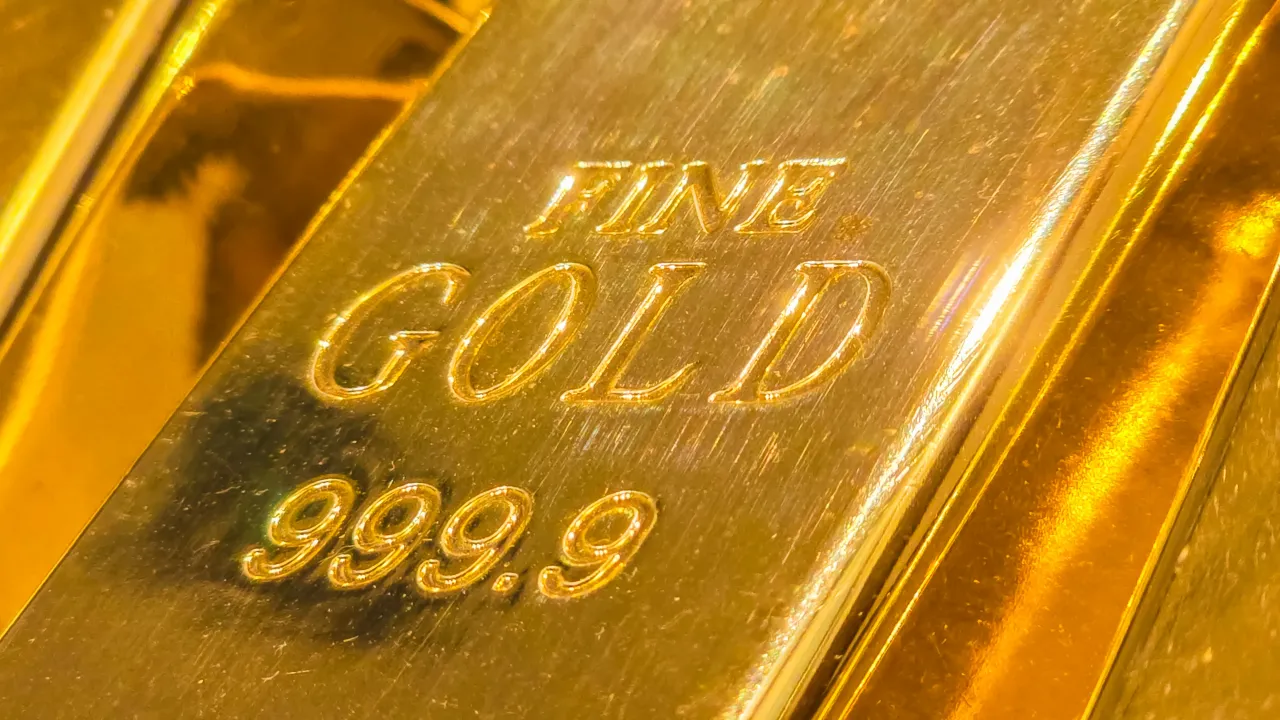
Over the past few years, Tether has been aggressively buying gold. By early this year, the company held around 148 tonnes of the precious metal.
That stash was valued at more than $23 billion at its peak, making Tether one of the largest corporate holders of gold—larger than some countries.
Why Gold?
Gold is traditionally seen as a safe investment. During uncertain times, investors often turn to it to protect their wealth.
Tether aimed to use gold as a strong backing asset to support its stablecoin and diversify its holdings.
What Went Wrong
Gold Prices Took a Hit
Since January, gold prices have fallen significantly. The price dropped from around $4,900 to $4,444, a decline of roughly 9%.
This may not sound huge at first, but when you hold tens of billions of dollars in gold, even a small percentage drop can mean massive losses.
The $2 Billion Impact
Because of this price drop, the value of Tether’s gold reserves has fallen by more than $2 billion.
What was once worth over $23 billion is now estimated to be closer to $21 billion.
Why Gold Fell in the First Place
Global Tensions and Market Reactions
Recent geopolitical tensions, including actions linked to Donald Trump and conflict developments involving Iran, have shaken global markets.
While gold often rises during uncertainty, sudden shifts in oil prices and market reactions can sometimes push prices down instead.
This shows that even traditionally “safe” assets like gold are not completely risk-free.
Tether’s Bigger Financial Picture
Still a Highly Profitable Company
Despite the recent loss, Tether remains financially strong.
The company reported:
- Total assets of $192.8 billion
- Liabilities (tokens issued) of $186.5 billion
- A surplus of $6.3 billion
It also generated around $10 billion in profits last year.
A Unique Storage Strategy
Gold in a Secret Vault
Tether stores much of its gold in a secure location in Switzerland. According to CEO Paolo Ardoino, the facility resembles something out of a spy movie.
Described as a “James Bond-style” bunker, the vault highlights just how seriously the company treats its physical assets.
Concerns Around Stability
Is Tether as Safe as It Claims?
Tether’s main promise is stability. Each token is supposed to maintain a steady value of $1.
However, some analysts have raised concerns.
A report by S&P Global previously rated Tether’s ability to maintain its dollar peg as “weak.”
Why the Concern?
The issue lies in the types of assets backing the token.
While cash and government bonds are relatively stable, assets like:
- Gold
- Bitcoin
can fluctuate significantly in value.
This creates potential risks if market conditions change rapidly.
Tether’s Response
Confidence Despite Criticism
Tether’s leadership has pushed back against concerns.
CEO Paolo Ardoino has defended the company’s strategy and dismissed criticism, emphasizing confidence in its financial position.
Upcoming Audit
In a move to increase transparency, Tether has confirmed it will undergo a full audit.
The company has reportedly brought in KPMG to review its finances. This could help reassure investors and regulators.
The Role of a Key Investor
Christopher Harborne’s Involvement
One of Tether’s major shareholders is Christopher Harborne, who is believed to own around 12% of the company.
He was also an early investor in Tether and has played a significant role in its growth.
Why This Matters for the Crypto World
A Wake-Up Call
Tether’s losses highlight an important lesson: even diversified strategies carry risk.
By investing heavily in gold, the company aimed to strengthen its stability. But market movements have shown that no asset is completely safe.
Impact on Investors
For users and investors, this raises key questions:
- How secure are stablecoins?
- What assets truly back them?
- How transparent are these companies?
Final Thoughts: Risk and Reward in a Changing Market
Tether’s $2 billion loss is not just about gold—it’s about the evolving nature of finance.
The company is blending traditional assets like gold with modern digital currencies. This approach offers new opportunities but also introduces new risks.
As markets continue to shift, the real test will be whether Tether can maintain trust and stability in the face of uncertainty.
For now, one thing is clear: even the biggest players are not immune to sudden market swings.