
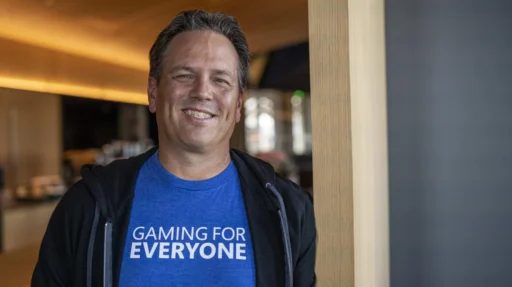
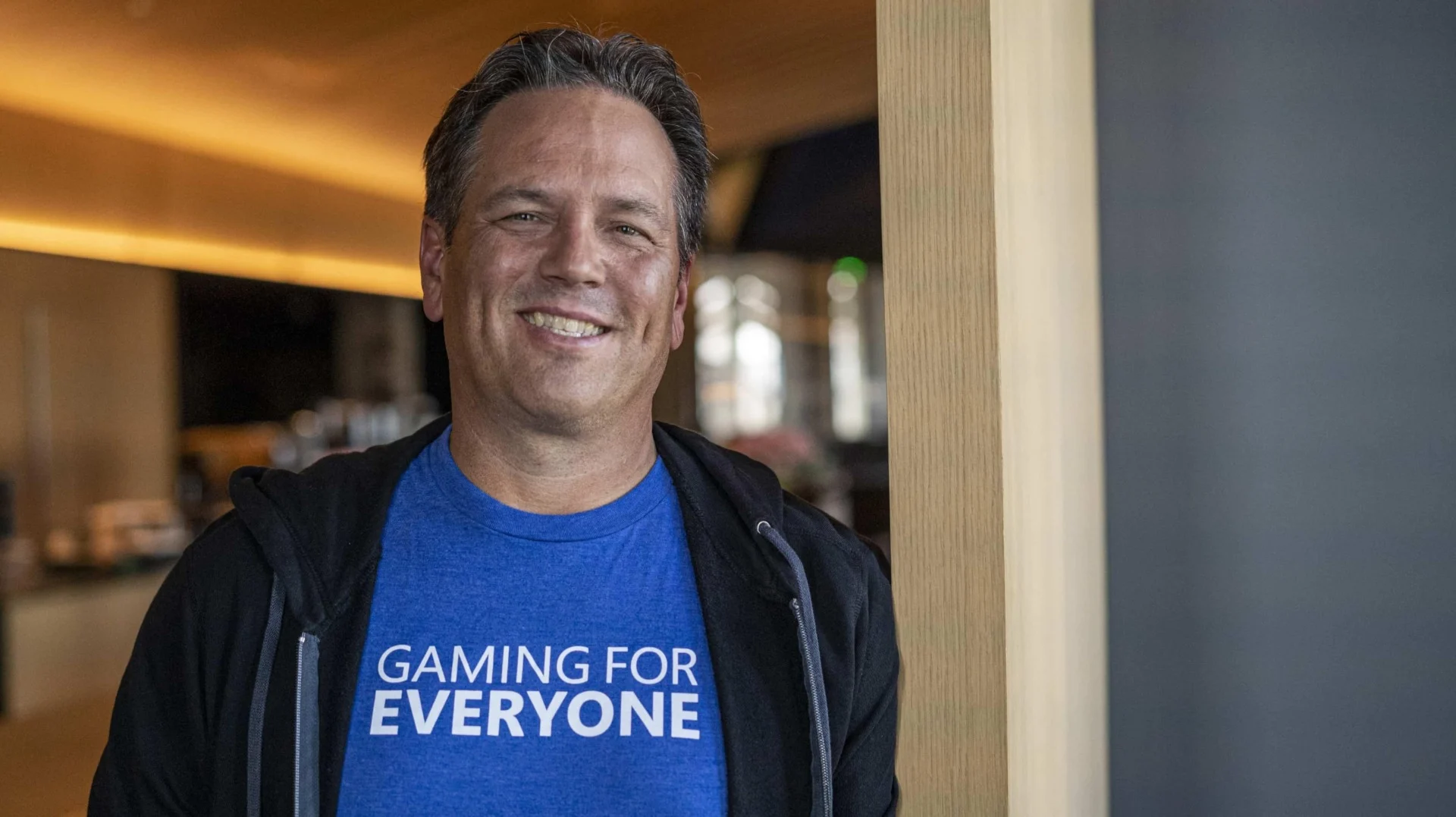

Phil Spencer Retires After 38 Years as Microsoft Reshapes Its Gaming Future
After nearly four decades at Microsoft, Phil Spencer is stepping down. The longtime head of gaming and public face of Xbox is retiring at a critical moment for the company’s gaming division.
Microsoft CEO Satya Nadella announced the news in a memo to employees, revealing that Spencer had made the decision last year and that succession planning had been underway for months.
Spencer’s departure marks the end of an era for Xbox — and signals a broader shift inside Microsoft as the company faces new competitive and financial challenges in gaming.
A Legacy That Transformed Xbox
From Studio Head to Gaming Chief
Phil Spencer joined Microsoft 38 years ago and became head of Xbox in 2014. Before that, he led the company’s gaming studios, overseeing the development of major titles and shaping the creative direction of the brand.
When he took over Xbox leadership, the division was under pressure. Sony’s PlayStation was outselling Xbox consoles, and some investors were even questioning whether Microsoft should spin off its gaming business entirely.
Spencer pushed back against that narrative. In interviews, he described internal debates about whether Xbox should move forward at all. Ultimately, he convinced Nadella to reorganize the division, bringing hardware, software, and game development under one unified structure.
That move became a turning point.
Massive Expansion Through Acquisitions
Under Spencer’s leadership, Microsoft nearly tripled its gaming business. A key part of that growth came through acquisitions.
The most significant was the $75 billion purchase of Activision Blizzard in 2023 — one of the largest deals in tech history. The acquisition added blockbuster franchises such as Call of Duty to Microsoft’s portfolio and strengthened its push into cloud gaming.
Spencer also played a major role in Microsoft’s earlier acquisition of Mojang, the developer behind Minecraft. That move helped secure one of the most successful games of all time and expanded Microsoft’s reach to younger players worldwide.
Challenges Facing Xbox
Despite bold investments and major acquisitions, Microsoft’s gaming division has struggled recently.
Revenue Declines and Impairment Charges
In the December quarter, revenue from Microsoft’s video game business dropped about 10 percent compared to the previous year. The decline was steeper than the company expected.
At the same time, Microsoft’s overall revenue grew nearly 17 percent, highlighting how gaming underperformed compared to the rest of the business.
In January, Microsoft announced an unspecified impairment charge related to its gaming operations — a sign that certain investments may not have delivered the anticipated returns.
Console Competition Intensifies
Xbox consoles have faced stiff competition from Sony’s PlayStation and Nintendo’s Switch.
While Microsoft expanded into cloud gaming and subscription services, its current generation of consoles has not matched the popularity of its rivals. The company has also closed some internal studios that were working on new titles, raising concerns about its future content pipeline.
For a division built on creativity and fan loyalty, these challenges have raised important questions about long-term strategy.
Leadership Shake-Up at Microsoft
Spencer’s departure comes during a period of broader leadership change at Microsoft.
In 2025 alone, business development chief Chris Young and GitHub CEO Thomas Dohmke exited the company. Charlie Bell, previously Microsoft’s top security executive, recently transitioned to an individual contributor role.
Now, with Spencer stepping down, the gaming division enters a new chapter.
Asha Sharma Takes the Helm
A New CEO of Gaming
Asha Sharma will succeed Spencer as CEO of gaming and report directly to Nadella.
Sharma joined Microsoft in 2024 from Instacart, where she served as operating chief. Before that, she held leadership roles at Meta and earlier worked in marketing at Microsoft.
Until now, Sharma had been president of product in Microsoft’s Core AI division, working closely with former Meta executive Jay Parikh.
Her background signals something important: Microsoft sees the future of gaming as closely tied to artificial intelligence and platform innovation.
Commitment to Players and Developers
In a message to gaming employees, Sharma emphasized continuity and commitment.
She said Microsoft would recommit to core Xbox fans and developers who have supported the platform for 25 years. She also made it clear that while AI will play a role in the company’s future, creativity will remain human-driven.
Sharma stated that Microsoft would not chase short-term efficiency or flood the ecosystem with low-quality AI-generated content. She described games as art, crafted by humans using innovative technology.
Her comments appear designed to reassure both players and developers at a time of uncertainty.
Renewed Focus on Console Gaming
One of Sharma’s clearest signals was a renewed commitment to console gaming.
Microsoft launched the original Xbox in 2001. Over two decades later, consoles remain central to the brand’s identity — even as cloud gaming and subscriptions expand.
While some analysts have speculated that Microsoft might pivot away from hardware, Sharma’s statement suggests that consoles will remain part of the strategy.
Matt Booty, head of Microsoft’s gaming studios, will report to Sharma as executive vice president and chief content officer. Nadella expressed confidence that the combination of Sharma’s consumer product experience and Booty’s gaming depth would help drive innovation.
The Future of AI in Gaming
Sharma’s experience in AI could shape Xbox’s next evolution.
She has worked on products such as Foundry, which helps integrate AI models into third-party applications. As AI tools become more powerful, they may influence game development, personalization, and player engagement.
However, Sharma emphasized that AI will support, not replace, human creativity.
This balanced approach may be crucial. Gamers are passionate about authenticity and originality. Any perception that games are being mass-produced by algorithms could spark backlash.
Another Departure: Sarah Bond Leaves
Alongside Spencer’s retirement, Sarah Bond, president and operating chief of the Xbox unit, will also leave Microsoft.
Bond expressed confidence in Sharma’s leadership, highlighting her technology expertise and experience scaling global platforms.
With both Spencer and Bond exiting, Xbox leadership will look very different in the months ahead.
A Critical Moment for Microsoft Gaming
Phil Spencer leaves behind a complex legacy.
He expanded the gaming business dramatically, secured major acquisitions, and defended Xbox during a period when its future seemed uncertain. He also navigated intense regulatory scrutiny during the Activision Blizzard deal.
Yet he departs at a time when revenue has declined, consoles are under pressure, and the gaming landscape is shifting rapidly.
The question now is whether Microsoft can translate its massive investments into sustained growth.
What Comes Next for Xbox?
Microsoft’s gaming division stands at a crossroads.
On one side is a powerful ecosystem: blockbuster franchises, cloud infrastructure, AI expertise, and a loyal player base. On the other side are financial pressures, fierce competition, and evolving consumer expectations.
Asha Sharma inherits both the opportunity and the challenge.
If she successfully integrates AI innovation with compelling human-created content, Microsoft could redefine what gaming looks like in the next decade.
If not, the company may face renewed debates about the role of Xbox within its broader portfolio.
One thing is certain: the retirement of Phil Spencer marks the end of one era and the beginning of another. And for millions of gamers worldwide, the next chapter of Xbox will be watched closely.