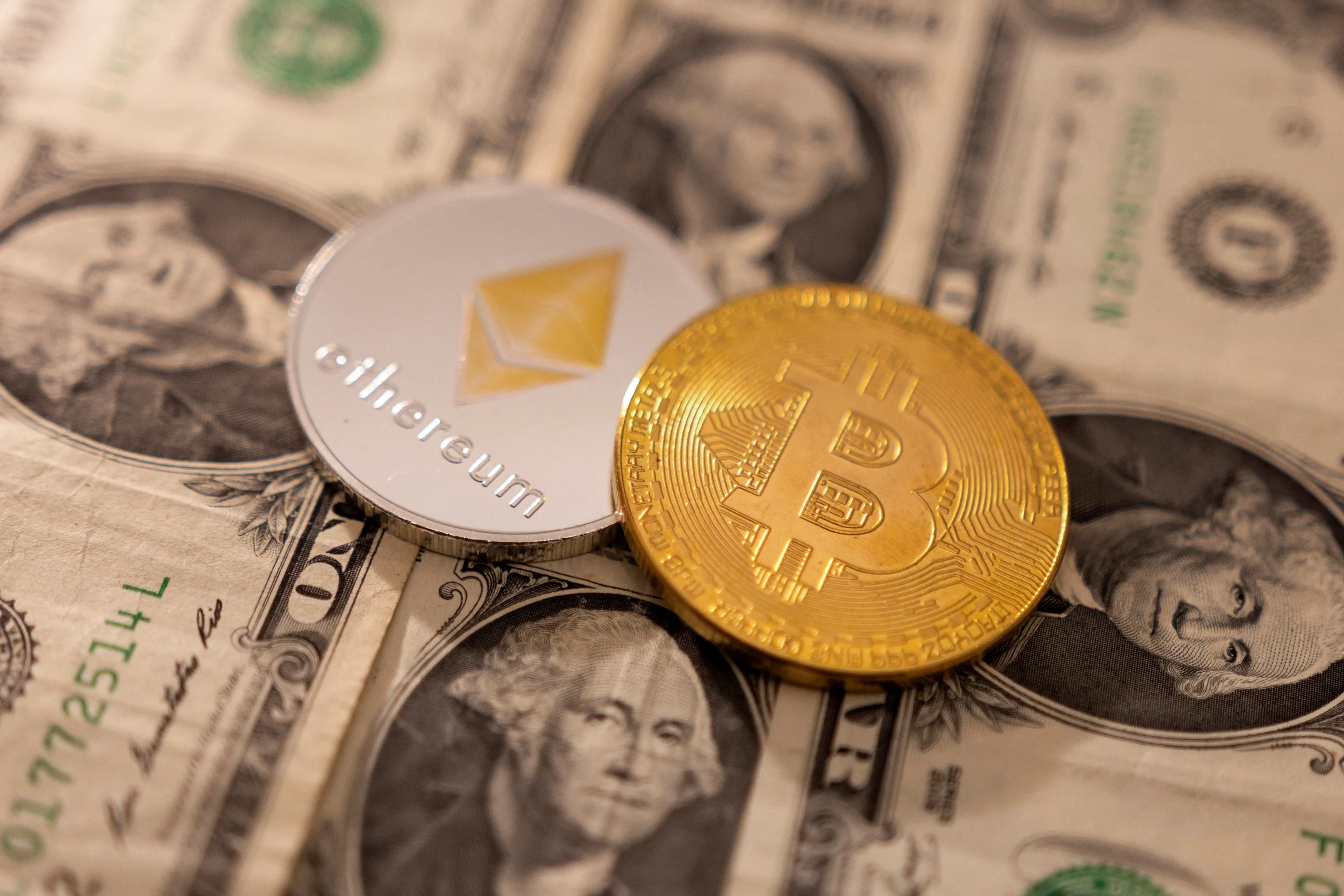


According to reports, the Web 3.0 gaming industry earns significant tax revenue each year.
Web3 has revolutionized the game business as a result of technological advancement. With an anticipated market size of USD 220.79 billion in 2022 and is predicted to reach USD 583.69 billion, with a CAGR of 12.9% over the following eight years from 2022 to 2030, grand view research claims that it has considerably exhibited a paradigm shift in this business.
In the IT world right now, the names “web3” and “metaverse” are extremely well-liked. The desire of investors has led to a “cascade” of investment into blockchain systems, claims Crunchbase, which cites recent fundraising rounds like Polygon Technologies and Alchemy for a combined $650 million. One industrial segment that is receiving more attention than others is gaming.
However, this investment tsunami goes beyond just producing more, better, larger games. Web3 is changing the way games are made and grown by inspiring and luring both players and creators with the prospect of token-based incentives. Since the shift from the conventional gaming paradigm is so significant, we’ll soon cease talking about gaming as an industry and start referring to it as an economy.
Now let’s examine more closely at what Web3 gaming is, its key traits, potential revenue streams, and economic impact.
Web3 gaming is a cutting-edge approach to decentralized gaming. The term “web3 gaming” refers to online games with blockchain technology built into their economics (also known as play-to-earn, play-to-own, crypto, blockchain, or NFT games).
Depending on the game, players that play Web3 games frequently possess either Non-Fungible Tokens (NFTs) or Fungible Tokens (FTs) (stored in custodial wallets). NFTs are unique cryptographic tokens that may be used to prove ownership of data, including music and pictures. In blockchain games, users may purchase game assets using NFTs. These might include anything like equipment, clothing, scenery, furniture, ships, planes, people, and more.
In contrast to traditional games where in-game components are entirely under the ownership of the creators, or the companies, NFTs allow players to be the owners of the assets they earn or purchase while playing the game. Once you acquire an NFT, you have the right to sell it wherever you choose, including outside of the platform where it was first created. It is difficult to implement this functionality in Web 2.0 games.
Player properties are real and may be purchased, sold, and exchanged on marketplaces just like any other commodity, which is the innovation’s practical implication. The system typically operates in a constrained setting that bans players from trading in-game products for cash or other real-world resources. Blockchain technology has been included in early web3 game development, including titles like Axie Infinity, leading to extraordinarily high retention rates.