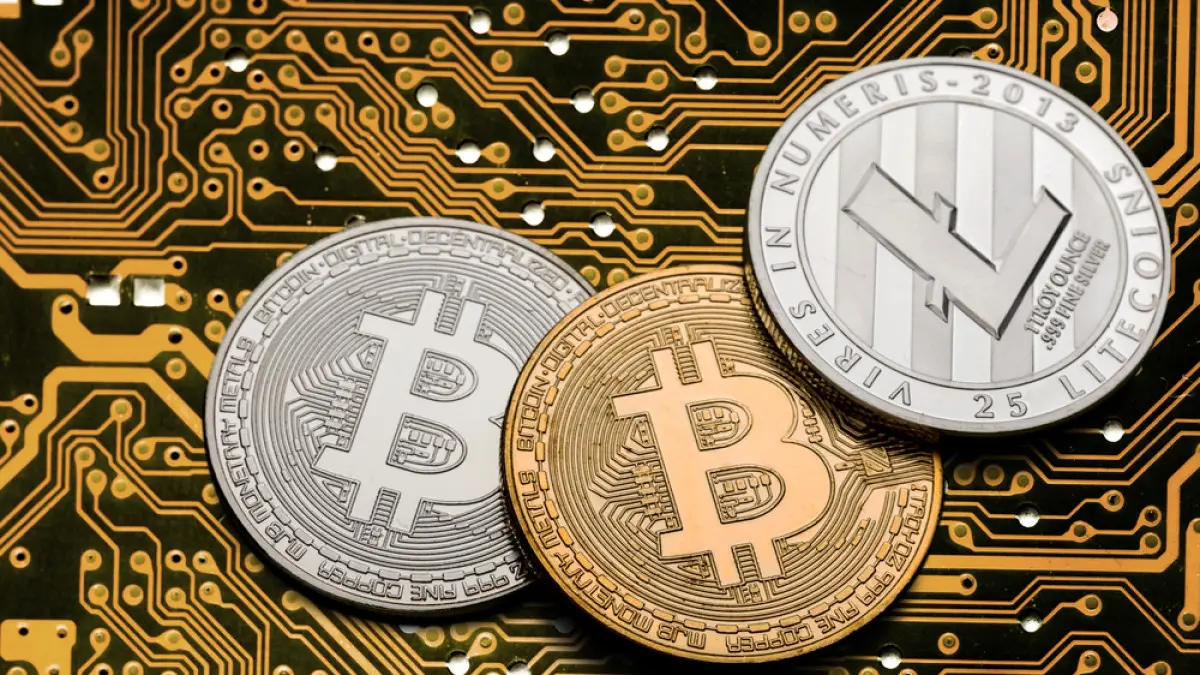


Customers may view the most recent coin prices on many displays within the café, and a large neon bitcoin logo is displayed on the wall.
Many tiny investors’ aspirations of making money have been dashed by the “crypto winter” worldwide, but cryptocurrency converts in inflation-stricken Argentina are hanging on. The second-largest economy in South America is forecast to experience 100% inflation this year, and many Argentine retail investors prioritize protecting the value of their money by purchasing dollars or, increasingly, virtual currencies.
Many people have been let down, according to Mauro Liberman, co-founder of the Buenos Aires cafe Crypstation, where customers may use cryptocurrencies to pay for coffee and pastries. In the cafe in the capital’s Saavedra neighborhood, he told the Thomson Reuters Foundation.
Customers may view the most recent coin prices on many displays within the café, and a large neon bitcoin logo is displayed on the wall. Although many small investors have sold their bitcoins due to the approximately 60% decline in price this year, virtual currencies still have some use in Argentina and Venezuela due to their high double-digit or triple-digit inflation rates.
According to calculations made by Reuters using data from the central bank, Venezuela’s year-over-year inflation in October was 155%, the highest rate in Latin America. An April analysis from Americas Market Intelligence revealed that Argentina had 12% crypto adoption, which is about double the levels of Mexico and Brazil and is where many stores no longer advertise prices since they must continuously mark them up.
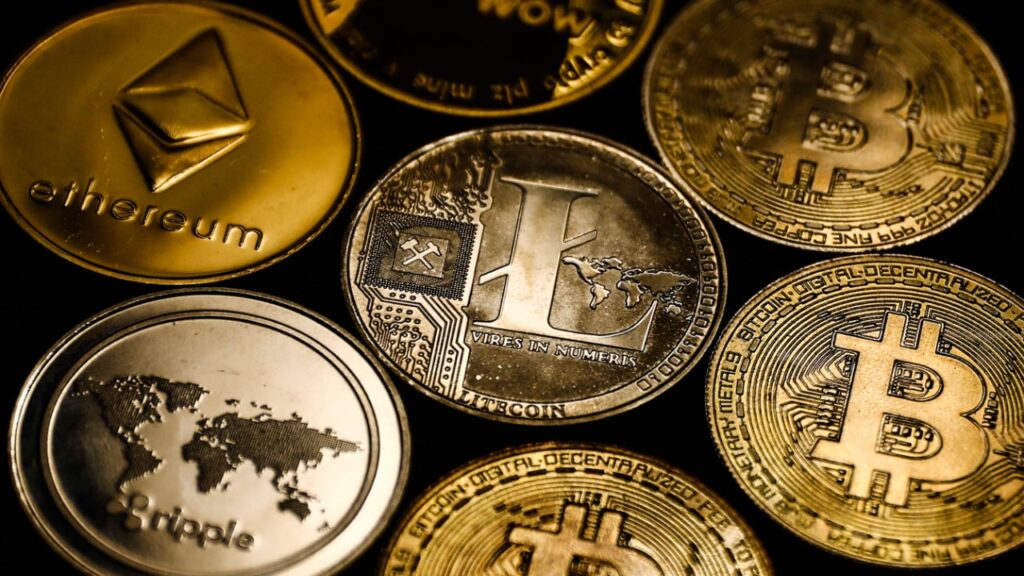
Cryptocurrencies are being used by citizens in some underdeveloped nations to avoid excessive charges on remittances sent back from family members abroad as well as an option to protect bank accounts from inflation. According to research firm Chainalysis’ statistics, Latin Americans in particular are utilizing cryptocurrencies more frequently to send money home.
Dan Cartolin, LatAm and North America account executive at research firm Chainalysis, said that adoption during the crypto winter has continued to increase in Latin America while declining in other countries.
Cryptocurrencies were initially intended to be independent of governmental and central bank authority since they enable “peer-to-peer” internet exchanges between users without the involvement of middlemen.
While its relative anonymity and lack of rules are a benefit for criminals, extremist organizations, and sanctioned regimes, ordinary individuals navigating economic crises, from Lebanon to Zimbabwe, have embraced digital money. However, according to an estimate by the Bank for International Settlements (BIS) that highlighted “several boom-bust cycles,” nearly three-quarters of cryptocurrency users worldwide had lost money.
STABLECOIN SURGE
According to Marcelo Cavazzoli, CEO and co-founder of Lemon Cash, an Argentine crypto exchange, there has been a “considerable rise” in the number of users who have switched over to stablecoins from other cryptocurrencies. Stablecoins are intended to be less volatile than other cryptocurrencies since they are tied to a fiat currency, such as the dollar.
According to Cavazzoli, Lemon Cash has over 1.6 million members, the majority of whom are Argentineans, and has issued about 760,000 crypto debit cards. The number of users has increased by roughly 35 times in the past year. Owners may use the card to make cryptocurrency payments anyplace much like a debit card. A virtual wallet for digital asset donations was just created by Buenos Aires parish priest Fabian Baez.
Advertisements for cryptocurrency businesses had proliferated in Buenos Aires in recent years, appearing on billboards and the backs of municipal buses. Although they are less prevalent now, many ordinary cryptocurrency investors are holding onto their holdings in the hopes that prices would rise again.
Ervin Vazquez, a 40-year-old doctor from Guernica in the province of Buenos Aires who has been investing in cryptocurrencies for the past three years, said, “The collapse in price was alarming — my money went by two-thirds overnight.” People who have little money can use cryptocurrency to get returns that are far higher than those they would get by investing in US dollars. In the worst situation, you may lose a few hundred dollars. And if you succeed, your investment is double,” he continued.