
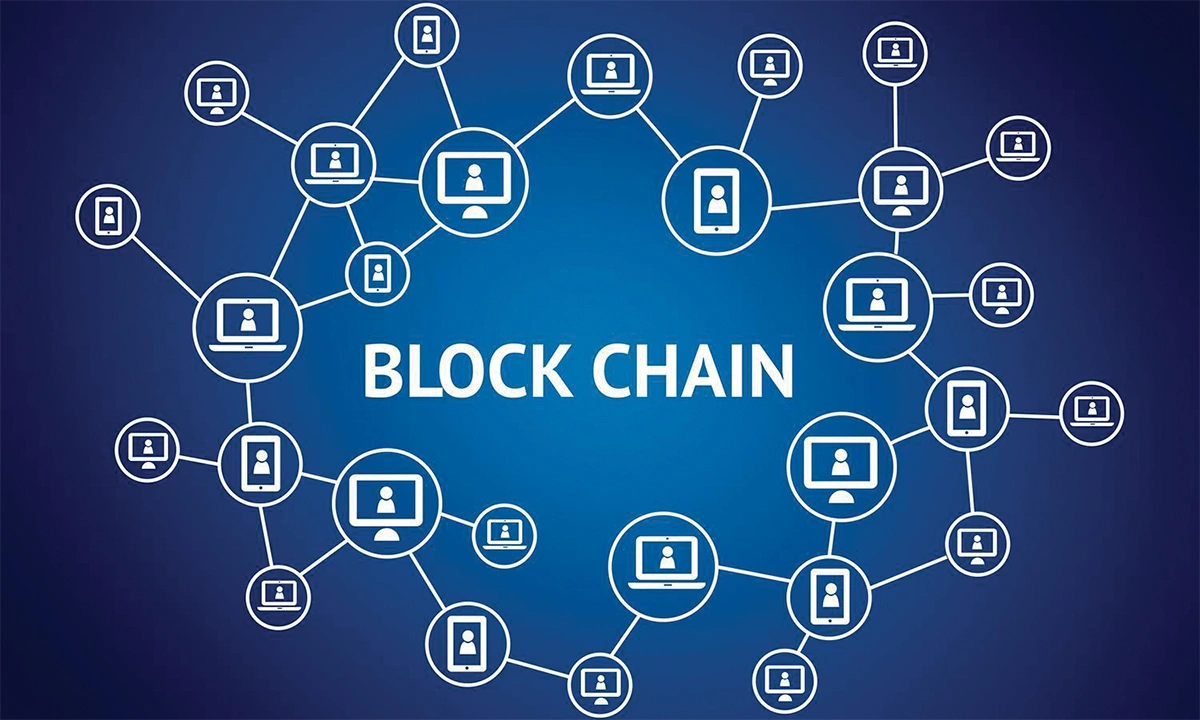

The use of blockchain by organizations has created a dynamic, linked supply chain and is paving the way for a digital future in procurement, according to experts.
The way organizations run is changing as a result of technology, which increases production, decreases mistakes, and increases efficiency. Blockchain is one of several technologies that has gained adoption in a variety of corporate processes, including the procurement process. Organizations all around the world are already implementing blockchain to simplify their supply chain due to its many benefits. Due to the many advantages of blockchain, including the development of smart contracts and the elimination of intermediaries, it may significantly improve the procurement process.
Organizations that adopt technology in their operation’s profit as technological breakthroughs continue to revolutionize business. One such technology that is transforming the procurement process for businesses all around the world is blockchain. Blockchain-adopted businesses are building a more dynamic, integrated supply chain and a digital future for procurement.
Blockchain is a technology that, according to its description, “creates a digital, decentralized record of all transactions in a network. The users of the network have the ability to authenticate transactions without the use of a middleman. Blockchain develops a “secure digital record” of transactions without the requirement of a central trust authority through increased security and encryption.
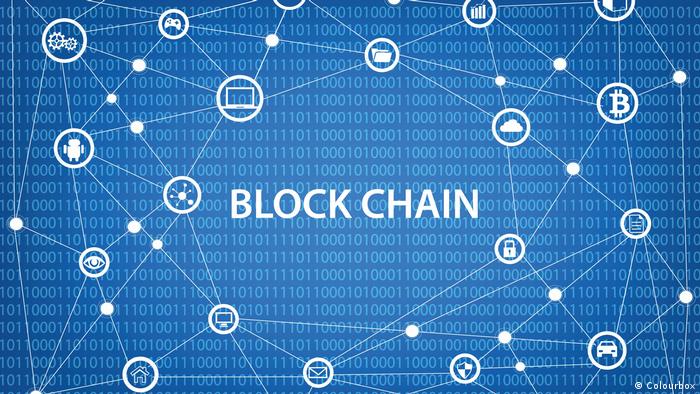
Advantages of blockchain
Smart contracts – Through the use of electronic, tamper-proof smart contracts that execute automatically under a predetermined set of conditions, blockchain can improve the efficiency of the procurement process. Multiple partners from every step of the supply chain may be included in smart contracts, and the value and terms can be included throughout. In addition, smart contracts record and make apparent to the subsequent link in the chain how the requirements were fulfilled at each level. These electronic contracts can also self-execute by releasing money to the right party after conducting a performance review of the particular contract.
Automation of standard processes – Order placing and payment processing are examples of manual procedures that can be facilitated by blockchain. Blockchain can automate and streamline these multi-step activities, which now need a lot of documentation. To minimize the possibility of human mistakes, steps like approval, invoice processing, multi-way matching, and the entire request-to-receipt process might be fully automated.
Removal of intermediaries – Stakeholders have access to shared ledgers, and all data and transactions are synced across the network. As a result, there is no longer a need for middlemen in the purchase process.
Visibility and traceability – Buyers are now able to guarantee the authenticity and traceability of all commodities throughout the whole purchase cycle thanks to blockchain technology. The system will create a verifiable audit trail of a supplier’s products. Moreover, the system prevents the falsification or compromise of essential supplier credentials, certifications, and qualifications.
Trustworthy business relationships – Prior to bringing on new suppliers, due diligence is crucial and establishes the groundwork for a solid working relationship. The act of being diligent is tedious and time-consuming. Blockchain, however, can speed up the entire procedure. Blockchain enables all participants in the network to view their transaction logs, which they may use to evaluate relevant data. Both the quality of the products and services offered and the performance of the vendor may be rated by customers.
Data confidentiality –As an entry cannot be modified, blockchain can offer high degrees of security. Shared ledgers are an affordable alternative to pricey cloud storage for businesses.