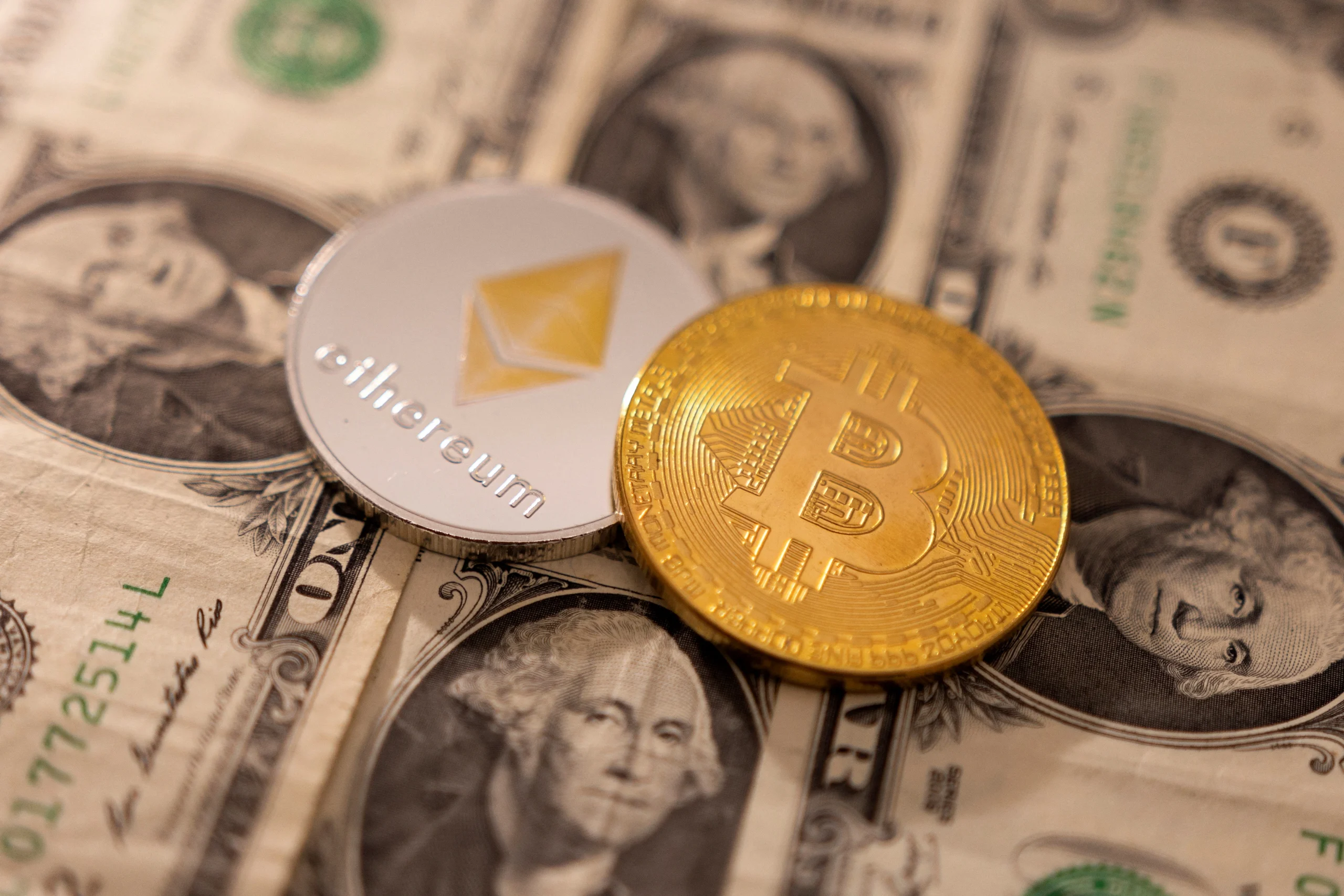

The government and RBI are already working on the foundation for a national digital currency because they recognize the immense potential of digital money.
We must first comprehend exactly what cryptocurrency is in order to comprehend why it hasn’t established a strong foothold in India. Cryptocurrency, sometimes known as “crypto,” is a type of electronic money that doesn’t require banks to approve transactions. It’s a peer-to-peer system that enables anybody to make and receive money, to put it simply. Cryptocurrency payments do not exist as actual physical cash that is carried and traded in the real world; rather, they only exist as digital entries in an online database that describe and validate specific transactions.
From a variety of perspectives, crypto has been observed, discussed, dismissed, and applauded. From a cultural perspective, it is interesting to watch and comprehend the failure of cryptocurrency in India. India is a country with a strong foundation in its cultural conditioning, ethics, and values, which all preach and laud balance, stability, and temperance. It is inconsistent with our beliefs and basic principles to accept cryptocurrencies on a large basis.
Similar to how we think, the majority of our investment strategies are conventional, with a healthy balance of debt and equity and little to no opportunity for riskier bets. Even now, a sizable proportion of Indians choose to put their money in investments like gold, bonds issued by the government, and real estate. Since direct equity and mutual funds have just lately established themselves in India, it is logical to anticipate that widespread adoption of cryptocurrencies would not occur there very soon.
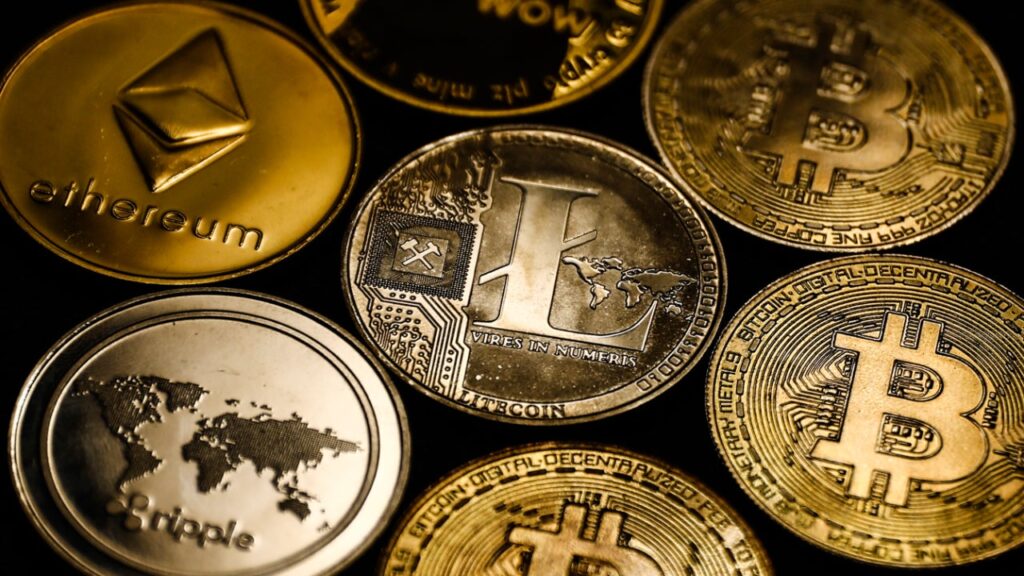
The government is concerned for a number of reasons, including financial and national security, in addition to the cultural ones that contributed to its downfall. In this decentralized environment, there is a considerable danger of money laundering, hacking, financing terrorism, and financial fraud, according to the Reserve Bank of India. The 30% tax and extra 1% tax deducted at source, together with this terrible threat, are likely the main reasons why just 7.3% of Indians own or use cryptocurrency.
This decentralized payment method is being tested in countless nations all around the world, with the goal of gathering data and learning more about the advantages and disadvantages of such a system. Perhaps the subject can be revisited and the technology can be customized to the demands of the people and governing bodies if everyone has access to the information required to adopt or thoroughly comprehend crypto.
The government and the RBI do, however, recognize the huge potential of digital money and have already started creating the foundation for a national digital currency. Digital payment systems are in line with our prime minister’s vision to make India a knowledge economy and society that is enabled by technology. Our digital revolution has already started thanks to programs like “MyGov” and “Digilocker,” which allow our citizens to stop using paper. Simply said, a smooth, quick, and digitally optimized economy is just the next step away from the official and regulated digital money. However, the reality is that it will probably be at least a few cycles before we witness Indians enthusiastically purchasing cryptocurrencies for Dussehra or Dhanteras.