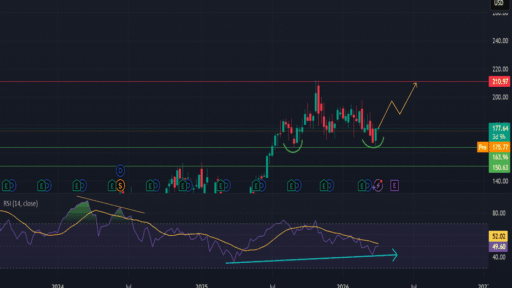



Strategy’s $14.5 Billion Bitcoin Loss: What Really Happened?
In a dramatic start to the year, Strategy Inc.—the company widely known for its aggressive Bitcoin accumulation strategy—reported an eye-watering $14.5 billion unrealized loss in the first quarter.
This wasn’t because the company sold its holdings at a loss. Instead, it reflects a drop in the market value of its massive stash of Bitcoin, which saw a sharp decline during the same period.
Despite this, the company is not backing down. In fact, it’s doing the opposite.
Why Did Strategy Lose So Much Money?
Bitcoin’s Rough Start to the Year
The first quarter wasn’t kind to Bitcoin. The cryptocurrency dropped more than 20%, marking its worst Q1 performance since 2018. Since Strategy holds over $50 billion worth of Bitcoin, even a small percentage drop translates into massive paper losses.
By the end of the quarter, Bitcoin’s price had fallen below Strategy’s average purchase price of over $75,000. At one point, it hovered around $70,000.
Accounting Rules Made It Look Worse
The loss also looks larger because of a change in accounting standards introduced last year. These rules require companies to report changes in the fair value of their crypto holdings directly in earnings.
In simple terms:
- If Bitcoin’s price drops, Strategy reports a loss
- If Bitcoin rises, it reports a gain
This creates huge swings in financial results—even if the company doesn’t sell a single coin.
Still Buying: Strategy Doubles Down on Bitcoin
New Purchase Worth $330 Million
Despite the massive loss, Strategy continued buying. Between April 1 and April 5, the company purchased 4,871 Bitcoin for approximately $330 million.
The average price? Around $67,700 per Bitcoin—lower than its historical average.
How Did They Fund This?
Strategy didn’t use existing cash alone. Instead, it raised money through:
- Selling Class A common stock
- Issuing “Stretch” preferred shares
These funding methods allow the company to keep accumulating Bitcoin without relying entirely on cash reserves.
Understanding Strategy’s Unique Playbook
The “Bitcoin Flywheel” Strategy
Strategy’s approach, largely driven by co-founder Michael Saylor, works like a cycle:
- Raise capital (via stock or preferred shares)
- Buy Bitcoin
- If Bitcoin price rises, company valuation increases
- Use higher valuation to raise more capital
- Repeat
At its peak, this model worked extremely well. Strategy’s stock traded significantly above the value of its Bitcoin holdings, giving it easy access to capital.
Why This Model Is Under Pressure Now
Things have changed:
- Bitcoin’s price has dropped
- Strategy’s stock premium has shrunk
- Capital markets are tighter
This makes it harder to repeat the same cycle as before.
Stock vs Preferred Shares: What’s the Difference?
Strategy is now carefully balancing two funding options:
1. Selling Common Stock
- Raises money quickly
- Dilutes existing shareholders
2. Issuing Preferred Shares
- Avoids dilution
- Comes with fixed payments (like interest)
The company has increasingly leaned toward preferred shares, especially its “Stretch” preferreds introduced in 2025.
The Catch: Preferred Shares Are Expensive
These preferred shares come with an 11.5% annual yield. That means Strategy must pay investors regularly, adding financial pressure.
So while this approach avoids dilution, it increases long-term obligations.
A Massive Fundraising Plan
Strategy recently announced an ambitious plan to raise:
- $21 billion through common stock
- $21 billion through preferred shares
That’s $42 billion in potential funding—all aimed at continuing its Bitcoin accumulation strategy.
Can Strategy Sustain This?
The Core Challenge
For Strategy’s model to work, one key condition must hold true:
Bitcoin’s value must rise faster than the company’s financial obligations.
If Bitcoin grows rapidly:
- The strategy looks brilliant
- The company gains massive upside
If Bitcoin stagnates or falls:
- Debt and obligations become harder to manage
- Investor confidence may weaken
Financial Cushion: A Safety Net for Now
The good news is that Strategy isn’t in immediate danger.
The company currently holds about $2.25 billion in cash reserves. This is enough to:
- Cover interest payments
- Pay distributions on preferred shares
for more than two years.
This gives Strategy time to wait for a potential Bitcoin recovery.
The Bigger Picture: A High-Risk, High-Reward Bet
Strategy has essentially transformed itself into a leveraged Bitcoin investment vehicle.
It’s no longer just a software company—it’s one of the largest corporate holders of Bitcoin in the world.
This makes it:
- Highly attractive to Bitcoin believers
- Extremely risky for conservative investors
What This Means for Investors
If you’re watching Strategy or considering investing, here’s what matters:
Bull Case
- Bitcoin rebounds strongly
- Strategy’s holdings soar in value
- Stock price follows
Bear Case
- Bitcoin remains volatile or declines
- Financial obligations pile up
- Strategy’s model becomes strained
Final Thoughts
Strategy’s $14.5 billion loss may sound alarming, but it doesn’t tell the full story. The company hasn’t sold its Bitcoin—it’s simply reflecting market fluctuations.
What’s more interesting is its unwavering commitment to Bitcoin. Even in the face of massive losses, Strategy continues to buy more, signaling strong long-term conviction.
Whether this bold strategy becomes a historic success or a cautionary tale will depend on one thing: where Bitcoin goes next.