
Neurocrine’s $2.9 Billion Bet: A Strategic Move Into Rare Diseases
In a major move that could reshape its future, Neurocrine Biosciences has announced it will acquire Soleno Therapeutics for $2.9 billion in cash.
This deal is more than just another acquisition. It signals a clear shift in Neurocrine’s strategy — expanding beyond neuroscience and into metabolic disorders, a space with growing demand and significant unmet medical needs.
At the center of this deal is a promising drug that targets a rare but serious condition, offering hope to patients and new growth opportunities for the company.
What the Deal Means
A Premium Offer for Soleno
Neurocrine is offering $53 per share for Soleno, which is about 34% higher than the company’s last closing price. That kind of premium shows strong confidence in Soleno’s potential.
Investors reacted quickly. Soleno’s stock jumped more than 30% in premarket trading after the announcement, reflecting optimism about the deal.
Quick Timeline
The companies expect the deal to close within the next 90 days, pending approvals. Neurocrine plans to fund the acquisition using:
- Cash reserves
- A small amount of debt
This approach keeps the company financially flexible while making a significant investment in its future.
The Star Asset: Vykat XR
A First-of-Its-Kind Treatment
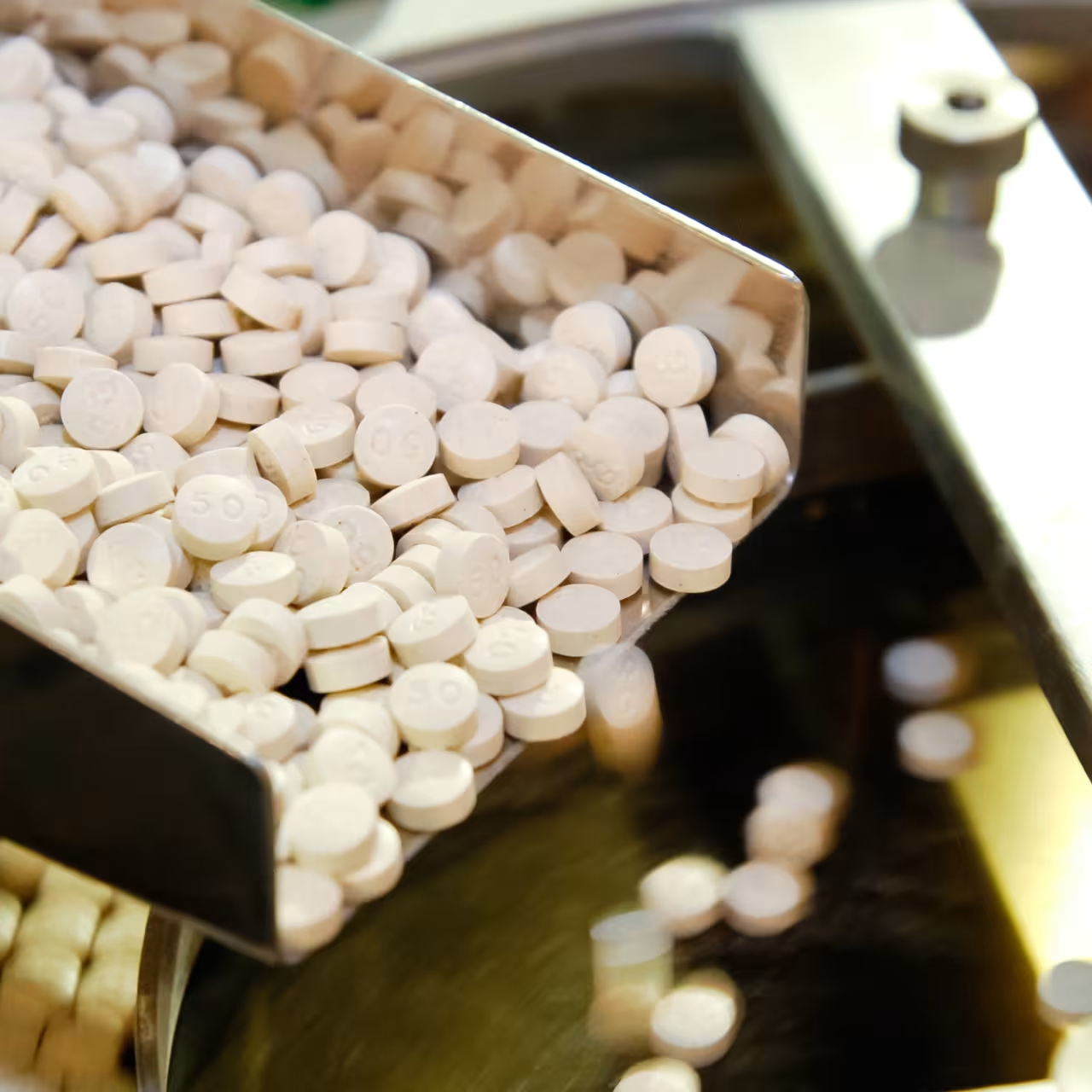
The biggest reason behind this acquisition is Vykat XR, a groundbreaking drug developed by Soleno.
It is the first approved treatment in the United States for hyperphagia linked to Prader-Willi syndrome — a rare genetic condition.
Hyperphagia is not just normal hunger. It is an intense, constant urge to eat that can be extremely difficult to control.
Why This Matters
For patients with Prader-Willi syndrome, hyperphagia can lead to:
- Severe obesity
- Physical health complications
- Behavioral and emotional challenges
Until now, there were no approved treatments specifically targeting this symptom. That makes Vykat XR a major breakthrough.
A Strong Financial Opportunity
Rapid Sales Growth
Even though Vykat XR was approved only recently, it has already shown impressive commercial potential.
- Generated around $190 million in 2025 within months of launch
- Expected to bring in about $450 million this year
- Projected to exceed $2 billion globally by the mid-2030s
These numbers highlight why Neurocrine is willing to pay a premium.
A Long-Term Growth Driver
For Neurocrine, Vykat XR is not just a new product — it’s a long-term growth engine.
The drug adds a strong revenue stream while also strengthening the company’s presence in rare diseases, a segment known for:
- High demand
- Limited competition
- Strong pricing power
Why Neurocrine Chose This Path
A Smarter Entry Into Metabolic Disorders
Before this deal, Neurocrine was working on its own obesity-related treatments. However, those were still in early stages and faced major hurdles.
By acquiring Soleno, the company gains:
- An already approved drug
- Immediate market access
- Reduced regulatory risk
This makes the move faster and more efficient compared to developing a new drug from scratch.
Avoiding a Crowded Market
The obesity drug market is highly competitive, with many companies racing to develop treatments.
Instead of entering that crowded space, Neurocrine is focusing on a niche area with less competition but high impact — rare metabolic disorders.
This strategy allows the company to stand out while addressing an urgent medical need.
Understanding Prader-Willi Syndrome
A Rare but Serious Condition
Prader-Willi syndrome is a genetic disorder that affects roughly:
- 1 in every 20,000 to 30,000 births
- Around 20,000 people in the United States
Though rare, its impact on patients and families is significant.
Key Challenges for Patients
People with this condition often face:
- Constant hunger (hyperphagia)
- Difficulty managing weight
- Developmental and behavioral issues
Managing these symptoms requires lifelong care, making effective treatments critical.
What This Means for Patients
A New Option for Treatment
The availability of Vykat XR gives patients and families something they’ve long been waiting for — a targeted therapy for one of the most challenging aspects of the condition.
This could lead to:
- Better quality of life
- Improved health outcomes
- Reduced stress for caregivers
Broader Impact on Rare Disease Research
This deal also highlights a growing trend in the pharmaceutical industry: increased focus on rare diseases.
Companies are investing more in this space because:
- There is a high unmet need
- Regulatory pathways can be faster
- Treatments often command premium pricing
Financial and Strategic Impact on Neurocrine
Strengthening Its Portfolio
Neurocrine has traditionally focused on neuroscience. With this acquisition, it is expanding into a related but distinct area — metabolic disorders.
This diversification helps the company:
- Reduce reliance on a single category
- Open new revenue streams
- Increase long-term stability
Managing the Risks
While the deal looks promising, it’s not without risks.
Key considerations include:
- Integration of Soleno’s operations
- Continued success of Vykat XR
- Competition from future treatments
However, the strong early performance of the drug reduces some of these concerns.
The Bigger Picture: A Growing Trend in Pharma
This acquisition reflects a broader shift happening across the pharmaceutical industry.
Large companies are increasingly:
- Buying smaller biotech firms
- Acquiring already-approved drugs
- Focusing on specialized treatments
This approach allows them to grow faster while minimizing development risks.
Final Thoughts
Neurocrine’s $2.9 billion acquisition of Soleno is a bold and strategic move that goes beyond numbers.
It brings together:
- A company looking to expand
- A breakthrough drug with strong potential
- A patient population in need of better treatment options
If Vykat XR continues its growth trajectory, this deal could prove to be a turning point for Neurocrine — both financially and scientifically.
More importantly, it represents progress in treating rare diseases, offering hope to thousands of patients and families.