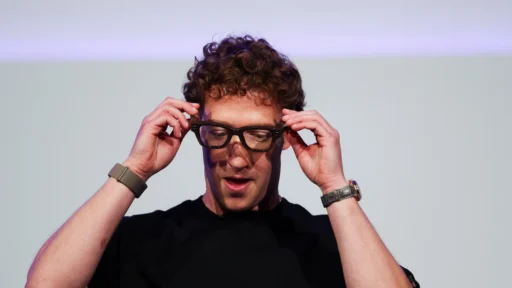



A Bold New Vision From Elon Musk
Over the weekend in Austin, Elon Musk revealed what might be one of his most ambitious ideas yet—a massive project called Terafab.
This isn’t just another factory. It’s a bold attempt to completely rethink how computer chips are made.
The project brings together three of Musk’s companies:
- Tesla
- SpaceX
- xAI
The goal? To build a giant facility that handles every step of chip production under one roof—something no one has ever done at this scale.
What Is Terafab?
A Factory Unlike Anything Before
Terafab is designed to be a fully integrated semiconductor manufacturing hub.
That means it will handle:
- Chip design
- Fabrication
- Memory production
- Packaging
All in one place.
The facility will be built near Giga Texas, and Musk says it will be even larger than the already विशाल factory.
He described it as “the most epic chip-building exercise in history.”
Why Musk Wants to Build Terafab
A Growing Chip Shortage Problem
Musk made it clear that this project is not just about innovation—it’s about necessity.
Currently, companies like TSMC and Samsung produce most of the world’s advanced chips.
But according to Musk, they simply can’t keep up with demand—especially for AI and robotics.
His reasoning is straightforward:
- His companies need far more chips than suppliers can provide
- Expansion from existing chipmakers is too slow
- Without chips, future projects could stall
As Musk put it: “We either build the Terafab or we don’t have the chips.”
The Scale and Cost of the Project
A Multi-Billion Dollar Gamble
Terafab won’t come cheap.
Initial estimates put the cost between $20 billion and $25 billion. But analysts believe the total investment could climb as high as $45 billion.
And here’s the interesting part:
- These costs are not included in Tesla’s planned spending for 2026
- SpaceX may go public soon, which could help fund the project
This makes Terafab not just a technical challenge—but a massive financial one too.
What Kind of Chips Will Terafab Make?
Built for AI, Robots, and Space
Terafab will focus on two main types of chips:
1. Edge AI Chips
These will power:
- Tesla’s Full Self-Driving systems
- Robotaxi fleets
- The Optimus humanoid robot
2. Space-Ready Chips
These will be designed for extreme environments and used in:
- Satellites
- Orbital data centers
- AI systems in space
This dual focus shows how Musk is thinking far beyond traditional computing.
The Optimus Factor
Robots Driving Massive Demand
One of the biggest reasons for Terafab is the expected explosion in demand for chips—especially from Tesla’s humanoid robot program.
According to analysts:
- One factory could produce up to 10 million robots per year
- That would require around 20 million chips annually
That’s already six times Tesla’s current chip usage.
But Musk’s long-term vision is even bigger:
- 100 million robots per year
- Over 200 million chips needed
This level of demand simply cannot be met by current suppliers.
Cutting-Edge Technology: The 2-Nanometer Goal
Pushing the Limits of Chipmaking
Terafab aims to use 2-nanometer process technology—the most advanced level of chip manufacturing available.
This is the same level that industry leaders are only just beginning to explore.
Why does it matter?
Smaller chips mean:
- Faster performance
- Lower energy consumption
- More powerful AI systems
But achieving this level of technology is extremely difficult and requires years of expertise.
Musk’s Bigger Vision: A Terawatt of AI Power
Thinking Beyond Earth
Musk’s ultimate goal goes far beyond cars or robots.
He wants Terafab to produce over one terawatt of AI computing power every year.
To put that in perspective:
- That’s 1 trillion watts of computing capacity
- A large portion could be used in space
This ties into SpaceX’s vision of:
- Orbital data centers
- Space-based computing infrastructure
It’s a futuristic idea—but one Musk seems serious about.
The Challenges Ahead
A Herculean Task
Despite the excitement, Terafab faces major hurdles.
1. Technical Complexity
Building advanced chips requires decades of expertise. Companies like TSMC didn’t reach their level overnight.
2. Massive Costs
Even optimistic estimates suggest tens of billions of dollars will be needed.
3. No Direct Experience
Musk has disrupted industries before—but he has no background in semiconductor manufacturing.
4. Timeline Uncertainty
Analysts believe:
- Initial chip production may not begin until 2028 at the earliest
Musk vs The Skeptics
A Familiar Story
Many experts are skeptical about Terafab.
But this isn’t the first time Musk has faced doubt.
In the past, critics said:
- Electric cars wouldn’t scale
- Reusable rockets wouldn’t work
Yet both Tesla and SpaceX proved them wrong.
Musk addressed skepticism directly, suggesting that bold ideas often seem impossible—until they aren’t.
What This Means for the Future
A Turning Point for AI and Manufacturing?
If Terafab succeeds, it could change everything.
- Tesla could control its own chip supply
- AI development could accelerate dramatically
- Space-based computing could become real
But if it struggles, it may show just how hard it is to compete in the semiconductor industry.
Final Thoughts
Elon Musk’s Terafab project is a massive bet on the future of AI, robotics, and space technology.
It’s ambitious, expensive, and full of risk—but also potentially groundbreaking.
Whether it becomes a historic success or an overreach, one thing is certain: Terafab is a project the entire tech world will be watching closely.