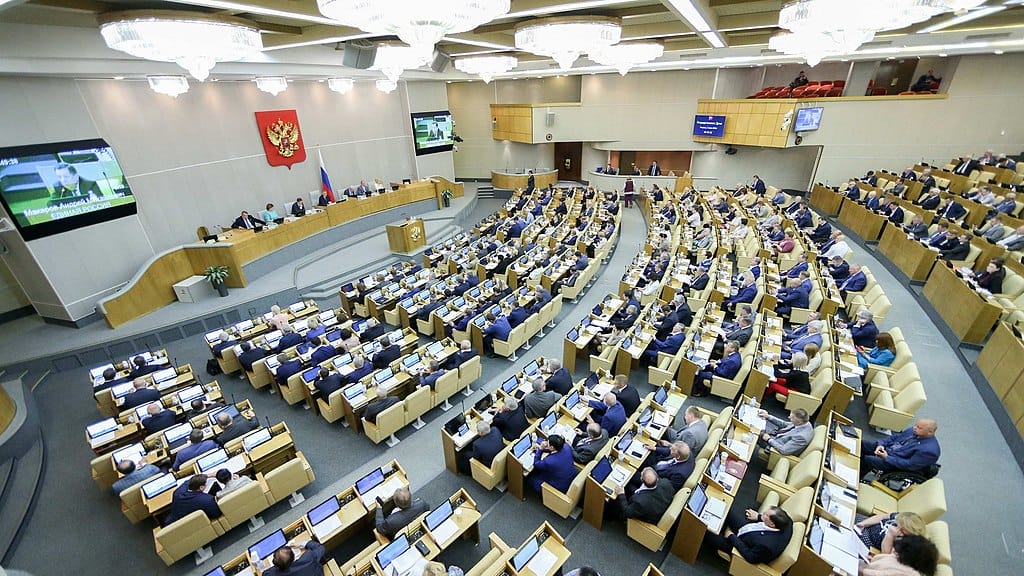

Russian lawmakers have conceded that a much-vaunted draft law to legalize industrial crypto mining is set for a further delay, raising questions about the future of the industry within the nation. The news agency TASS reported that Valery Seleznev, the Deputy Chair of the State Duma’s Energy Committee, has “cast doubts” on the law’s “adoption in the fall.”
Delays Hit Russian Crypto Mining Legislation Drive
Politicians have been debating proposals to legalize industrial mining for years. This follows intense lobbying efforts from miners who see legal recognition as crucial for the industry’s growth and stability. Despite these efforts, the legislative process has been fraught with delays and disagreements.
This year has seen miners pushing more concertedly than ever for Moscow to legalize the industry. Miners are willing to accept the imposition of taxes on their earnings if it means gaining official recognition. They believe that securing government-approved status as a “form of entrepreneurship” will help attract more domestic investment to their sector.
Continued Divisions and Need for Clearer Policies
However, Seleznev suggested that, despite some optimistic reports, significant divisions remain in Moscow regarding the draft law. The lawmaker stated that “more clear approaches” were needed to explain “the need for mining” and “the development of technologies related to the production and circulation of cryptocurrencies.”
Seleznev claimed that the State Duma “will not approve the mining bill” in the current parliamentary session. He added that “it may not be adopted in the fall session either,” implying that the delay could extend into the foreseeable future. This continued postponement is likely to frustrate miners who have been waiting for legal clarity for several years.
Financial Responsibilities and Infrastructure Changes
A significant point of contention appears to be who will bear the costs associated with the necessary infrastructure changes to support industrial crypto mining. Seleznev indicated that miners might be expected to contribute financially to the construction of a “new generation” of improved power networks. These networks would be better suited to the high energy demands of crypto mining operations.
This suggestion aligns with recent statements from Russian power industry officials. Late last month, these officials noted that crypto miners in the country want to bring 6.9 GW worth of capacity online. This is a substantial increase from the nation’s current cumulative crypto mining capacity, which industry chiefs estimate at 2.7 GW. The significant jump in capacity underscores the rapid growth and potential of the crypto mining sector in Russia.
The Future of Crypto Mining in Russia
The continued delays in passing the mining legislation create uncertainty for the industry. Miners have long argued that legal recognition is essential for attracting investment and ensuring the sector’s long-term viability. The lack of a clear regulatory framework makes it difficult for both domestic and international investors to commit resources to Russian mining projects.
Despite these challenges, the crypto mining industry in Russia has shown resilience. Miners have continued to expand their operations and seek ways to innovate and improve efficiency. However, the delay in legislation could hamper growth and discourage new entrants to the market.
The International Context
Russia’s hesitation to fully embrace crypto mining regulation stands in contrast to the approach taken by some other countries. Nations like the United States and Canada have established clearer regulatory frameworks that provide a degree of certainty for miners and investors alike. This has allowed these countries to become significant players in the global crypto mining industry.
For Russia to remain competitive, it will need to address the legislative and infrastructural issues that currently hinder its mining sector. This includes not only passing the necessary laws but also ensuring that the power grid can support the energy-intensive nature of crypto mining. The proposed improvements to the power infrastructure could be a step in the right direction, but they require significant investment and cooperation between the government and the mining industry.
The delay in passing the Russian crypto mining legislation is a setback for the industry, which has been eagerly awaiting legal clarity. Valery Seleznev’s comments highlight the ongoing divisions and the need for clearer policies to support the growth and development of crypto mining in Russia.
Miners remain hopeful that legal recognition will eventually come, bringing with it the benefits of increased investment and stability. However, until the legislative and infrastructural issues are resolved, the future of crypto mining in Russia remains uncertain. The government’s willingness to work with the industry and address these challenges will be crucial in determining whether Russia can capitalize on the opportunities presented by the burgeoning crypto mining sector.