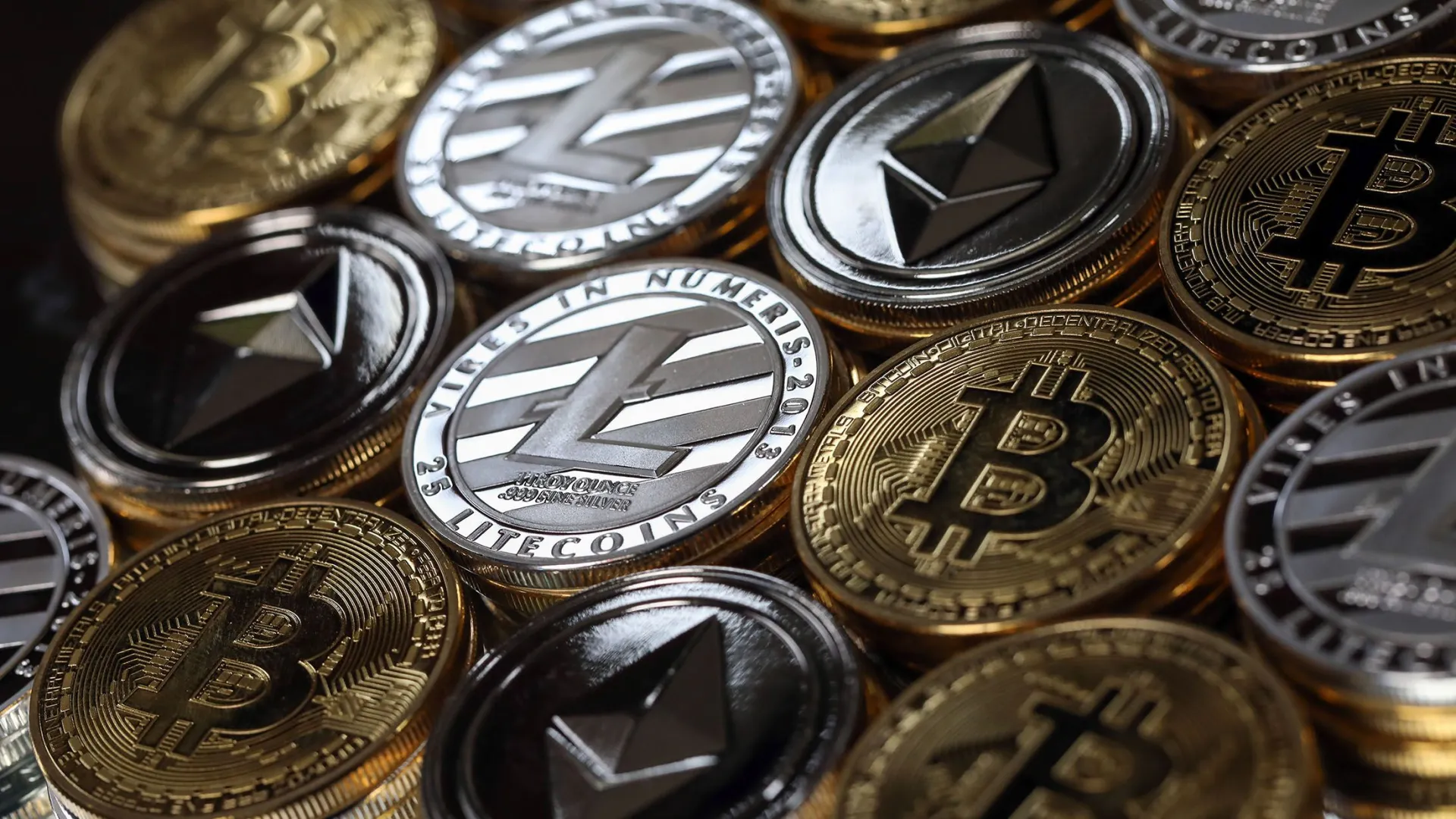


A prominent South Korean economic think tank has expressed skepticism over the potential approval of Bitcoin (BTC) or Ethereum (ETH) spot exchange-traded funds (ETFs), citing concerns about the impact on financial stability.
According to a recent report by the Korea Institute of Finance, researcher Lee Bo-mi argued that introducing ETFs linked to cryptoassets could pose significant risks to South Korea’s financial system. Lee cautioned that such approvals could lead to increased volatility in crypto prices, potentially drawing substantial capital into the virtual asset market.
Financial Stability Concerns
Lee emphasized that a sudden influx of capital into crypto markets could disrupt traditional financial market efficiency and resource allocation. Conversely, during periods of crypto price declines, Lee warned of potential liquidity issues affecting financial markets and the stability of financial institutions.
The researcher underscored the need for comprehensive research to weigh the pros and cons of integrating cryptoasset-linked products into South Korea’s financial infrastructure. Despite calls from industry advocates and politicians to follow the lead of jurisdictions like Washington and Hong Kong in approving crypto spot ETFs, South Korean regulators are adopting a cautious approach.
Volatility and Investor Protection
Lee highlighted the inherent volatility of cryptocurrencies as a significant barrier to their integration into the mainstream financial sector. The researcher argued that including cryptoassets as underlying assets in financial products could mislead market participants about their stability and investment viability.
Moreover, Lee pointed out challenges in effectively implementing investor protection measures for crypto-based ETFs, suggesting limitations in safeguarding investors against potential risks associated with these assets.
Current Regulatory Landscape
Currently, South Korea permits recognized brokers to handle Bitcoin futures ETFs, but regulations prohibit the issuance and brokerage of spot ETFs for cryptocurrencies. Lee emphasized that any move towards approving such products would require stringent preparations and robust risk management frameworks to mitigate associated risks effectively.
While discussions continue among policymakers and regulators in South Korea, the debate surrounding the introduction of crypto ETFs remains contentious, with proponents advocating for broader access and critics voicing concerns over potential systemic impacts.