
In the ever-evolving landscape of cryptocurrencies, Bitcoin continues to captivate the global market with its decentralized allure. As of 2024, the question persists: how many people are actively engaging with Bitcoin?
Assessing Bitcoin User Metrics
Bitcoin’s decentralized nature makes it challenging to pinpoint exact user numbers. However, several key metrics shed light on its usage:
Bitcoin Wallet Addresses
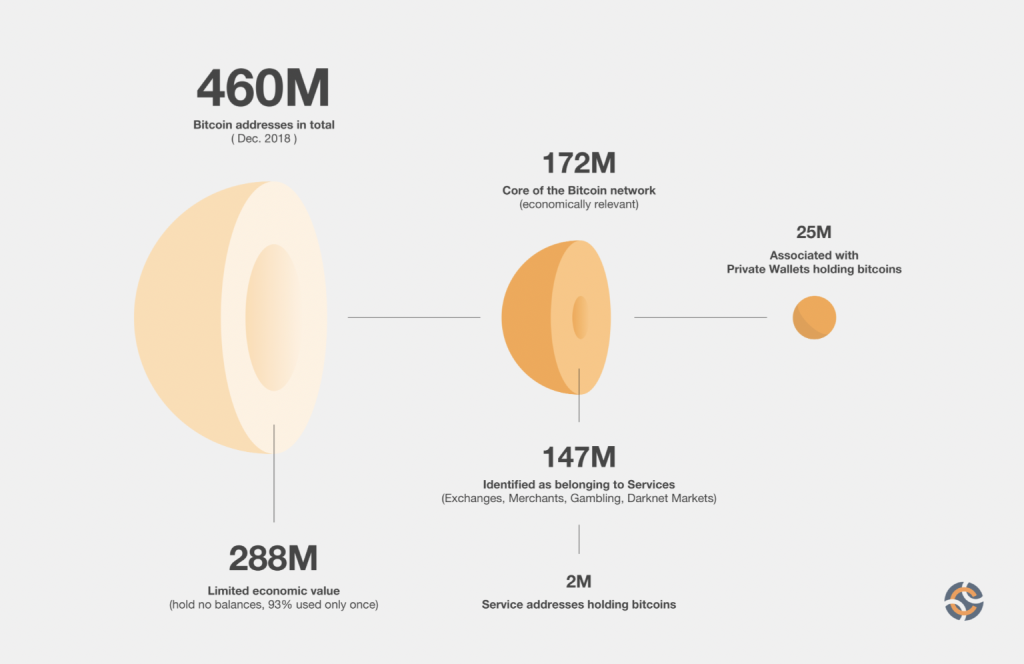
Over 460 million Bitcoin addresses have been created, according to Chainalysis.
Economically relevant addresses, those actively holding Bitcoin, are estimated at 172 million, with only 27 million holding actual balances.
Active Bitcoin Wallets
BitInfoCharts reports over 67 million Bitcoin addresses hold at least $1 worth of BTC.Approximately 17.97 million addresses are dormant, indicating inactive usage.
Bitcoin Transactions
On average, 371,267 transactions were processed daily on the Bitcoin blockchain.
This metric includes a wide range of activities from exchanges to individual transactions, impacting the understanding of unique users.
Trading Volumes
Bitcoin’s trading volume surpassed $17 billion in the past 24 hours, showcasing active trading interest despite market fluctuations.
Global Ownership
Studies suggest there are around 219 million Bitcoin owners globally, representing a significant portion of the population’s investment in cryptocurrencies.
Usage Patterns and Challenges
While these figures provide insights into Bitcoin’s adoption, challenges remain in accurately gauging its user base:
Multiple Wallets: Many users maintain multiple addresses, complicating efforts to count individual users accurately.
Transaction Dynamics: High transaction volumes do not directly correlate with unique users, as many transactions occur within exchanges and institutional settings.
Regulatory Impact: Evolving regulations globally influence Bitcoin’s accessibility and use, affecting adoption rates and market sentiment.
Future Outlook
Despite uncertainties, trends indicate a growing interest in Bitcoin as a financial asset and a medium of exchange. Future developments in technology and regulation will likely shape its adoption further.
As Bitcoin continues to navigate the complexities of global finance, its impact on digital currencies and traditional markets remains a topic of keen interest and scrutiny.