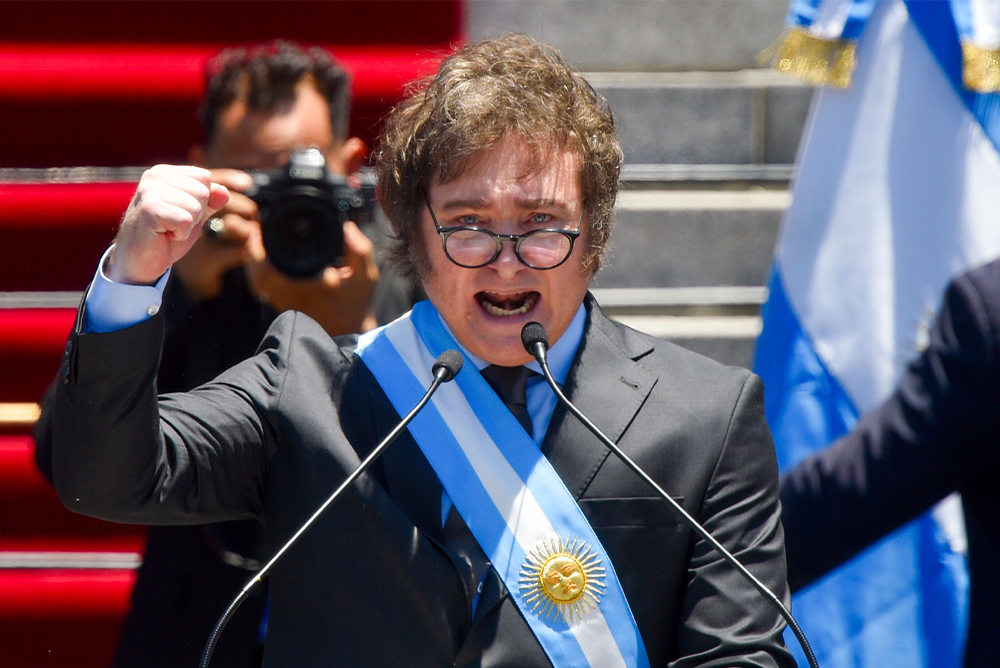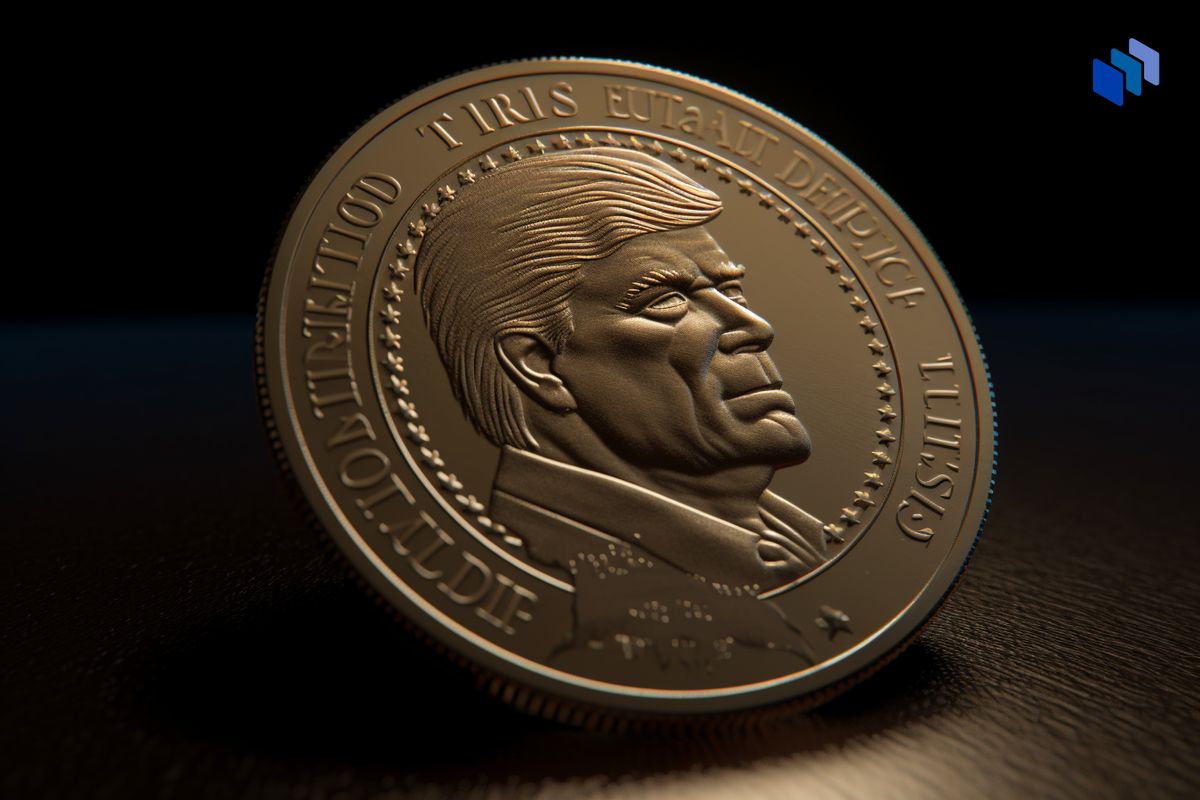


Argentina’s President Javier Milei has reaffirmed his commitment to a regime of free currency competition within the country, explicitly endorsing the use of Bitcoin. Speaking via his account on the social media platform X, Milei assured an inquiring user that the use of Bitcoin, among other units of account, would face no obstacles under his administration.
“There will be free competition of currencies so if you want to use Bitcoin there will be no problems… and you can also use other units such as WTI, BTU and the one that is most appropriate for your business… In accounting terms, it is solved by the functional currency method…” – Javier Milei, President of Argentina.
Milei’s stance on monetary policy is clear and deeply rooted in his libertarian values, emphasizing the freedom to use whatever currency or financial instrument is most beneficial for one’s business. This includes not only cryptocurrencies like Bitcoin but also traditional commodities such as West Texas Intermediate (WTI) crude oil and British Thermal Units (BTU).
Promoting Financial Freedom and Market Efficiency
The Argentine leader’s approach allows for a variety of monetary units to be freely employed in business transactions, fostering an environment where the most efficient currencies can thrive without government interference. This policy aligns with his consistent criticism of central banks, which he accuses of defrauding the public through inflationary policies—a view that positions Bitcoin as a natural countermeasure to such government actions.
Despite not labeling himself a “Bitcoiner,” Milei has frequently expressed support for the digital currency, seeing it as aligned with the libertarian ethos many Bitcoin enthusiasts advocate. His critical view of central banks as fundamentally flawed institutions enriches his pro-crypto rhetoric, adding a political layer to the broader economic debate over digital currencies versus traditional fiat currencies.
Economic Challenges and Potential Shifts
As Argentina grapples with significant economic challenges, including high inflation rates, Milei’s proposed policy could see a variety of currencies competing on equal footing. While the dollar might initially dominate due to its historical role as a stable savings instrument in Argentina, global trends toward de-dollarization suggest that Bitcoin could gain prominence over time.
The concept, known as Thiers’ Law, suggests that “good money” (currencies in which the public has high confidence) will eventually displace “bad money” in an economy. As Bitcoin continues to establish itself as a viable and stable store of value, it could increasingly become the preferred medium of exchange and savings, especially in scenarios where traditional currencies falter.
Global Influence and Future Prospects
President Milei’s advocacy for a free currency market in Argentina marks a potential shift towards greater financial autonomy and innovation. This move sets a precedent that could influence global monetary policy discussions in the era of digital currencies. By allowing diverse units like Bitcoin, WTI oil, and BTU for business, Argentina’s policy aims to enhance market efficiency without government interference, potentially leading to a more resilient and dynamic economic landscape.
As the world watches Argentina’s bold experiment with monetary freedom, the outcomes could provide valuable insights into the viability of cryptocurrencies and other alternative currencies in mainstream economic systems.