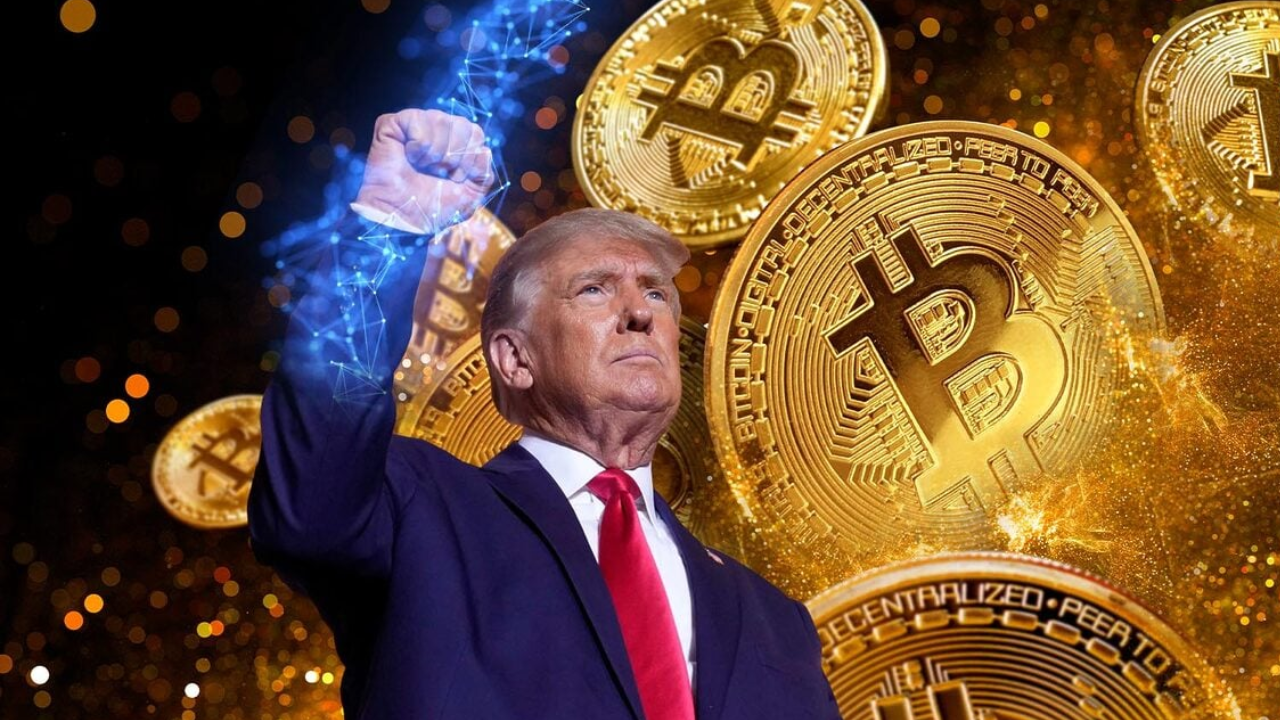


Bitcoin prices have struggled to maintain momentum after briefly hitting $70,000 earlier this month. Despite the initial surge, Bitcoin has seen mostly downward or sideways trading since, marking an approximate 7% decline. Several factors have contributed to this stagnation, as explained by experts to Fortune.
Key Factors Affecting Bitcoin’s Price
Spot Bitcoin ETFs

Interest in the 11 spot Bitcoin exchange-traded funds (ETFs) approved by the SEC in January has plateaued. The ETFs initially saw significant inflows, amassing over $53 billion combined. However, the bulk of these inflows occurred in the first two months, with net outflows reaching $580.6 million over the past week. This contraction suggests waning investor interest.
Mining Conditions
Bitcoin’s rise was also fueled by the anticipation of the April 19 halving, which reduced the supply of newly minted coins by 50%, from 6.25 to 3.125 per block. This halving led to volatility in the hashrate, the total computational power used for mining Bitcoin. The hashrate dropped by 11% in the four weeks following the halving, briefly recovered, and then dipped again. Matthew Sigel, head of digital assets research at VanEck, noted that this post-halving instability is typical as miners struggle with increased per-coin costs.
Liquidity Issues
David Lawant, head of research at FalconX, cited relatively weak liquidity as a factor in the recent price dip. Bitcoin’s average daily trading volume in June has fallen to less than half of what it was in March, in both spot and futures markets. This decline in trading volume has contributed to the longer-term stagnation.
Broader Economic and Political Uncertainties
U.S. Monetary Policy
The Federal Reserve’s forecast that interest rates will remain higher for longer contrasts with data suggesting that inflation could be cooling. This discrepancy has created uncertainty in the market, as participants try to reconcile these conflicting signals.
Upcoming U.S. Election
Political uncertainty also weighs on Bitcoin’s price. Both major political parties are attempting to appeal to crypto-oriented voters. Former President Donald Trump has positioned himself as the “crypto president,” pledging to support the cryptocurrency industry. During a recent meeting with Bitcoin miners, Trump vowed to “stop Joe Biden’s crusade to crush crypto.” However, the close polling between Trump and Biden adds to the uncertain political backdrop, leaving markets to watch and wait.
Bitcoin’s inability to sustain its momentum after briefly reaching $70,000 highlights the impact of various market and external factors. While the market faces short-term challenges, experts like Matthew Sigel predict that Bitcoin’s price will be significantly higher by the time of the U.S. elections in November. However, for now, the cryptocurrency remains in a consolidation phase, with market participants closely monitoring economic policies and political developments.