
Market analysts anticipate that blockchain will have an influence on major stock exchanges like the New York Stock Exchange, helping to reduce transaction costs and increase liquidity in the commercial environment.
Blockchain technology has other purposes in addition to cryptocurrency. In fact, it is renowned for having a decentralized ledger that can be maintained for all transactions. This means that, through automation and decentralization, the technology may be included in stock exchanges all across the world to speed up transaction settlements.
According to information provided by the intergovernmental Organization for Economic Co-operation and Development (OECD), stock exchanges in Asia and throughout the world have started to use blockchain for clearing and settlement, post-trading, and securities issuances. According to reports, the Australian Stock Exchange and the Hong Kong Stock Exchange (HKEX) have partnered to develop a platform for over-the-counter trading and upgrade their post-trade system. “In my opinion, stock exchanges are one of blockchain technology’s early adopters in worldwide trade.
According to Vani Majumdar, associate professor at KLH Global Business School, the majority of premium and major stock exchanges now use distributed ledger technology (DLT) for pre-trade and post-trade operations as well as to make it easier for investors to settle transactions.
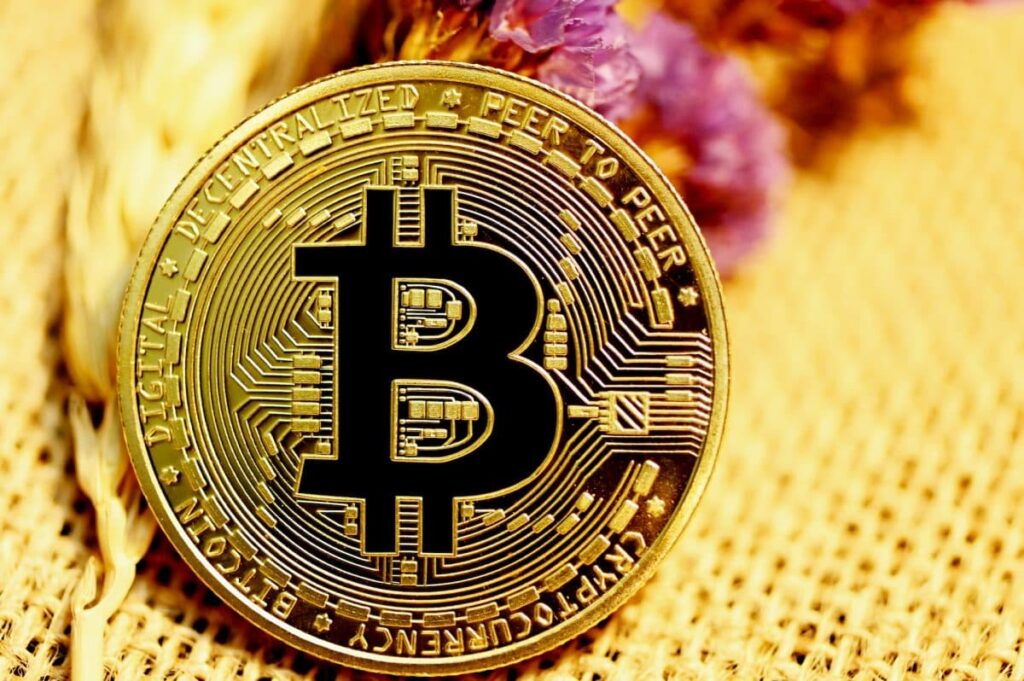
Market analysts anticipate that blockchain will have an influence on major stock exchanges throughout the world, including the New York Stock Exchange (NYSE), Nasdaq, and Bombay Stock Exchange, among others. This will help reduce transaction costs and increase liquidity in the commercial environment. Due to the fact that they are unlisted, digital equities or equity tokens can be exchanged while stock exchanges are closed, according to International Magazine of Management, a quarterly peer-reviewed academic journal. Additionally, equity tokens might assist investors to gain access to trading opportunities on international marketplaces that they otherwise might not have.
“With Blockchain 3.0, I think the stock market will be faster, safer, cheaper to operate, more user-friendly for the average person, and will have simple liquidity options for all players. Stock markets may anticipate a roughly 70% reduction in operational expenses. Bitcoin and Ethereum have the potential to significantly increase the worldwide market share of blockchain, according to Ravindhar Vadapalli, a professor of blockchain, analytics, and finance at the Mittal School of Business at Lovely Professional University.
According to reports, a number of businesses, including FedEx, IBM, Walmart, Microsoft, Overstock, Mastercard, Oracle Corporation, and Novartis, want to use blockchain-based stock trading methods. According to a blockchain software startup named ConsenSys, the usage of blockchain in capital markets may support use cases including issuance, stablecoins, collateral management, asset servicing, and mutual fund administration, among others.
Money markets feature substantial volume exchanges between institutions and dealers at the wholesale level. Money market accounts created by bank clients and money market mutual funds are two examples of them at the retail level, according to Sathvik Vishwanath, co-founder, and CEO of cryptocurrency exchange Unocoin.