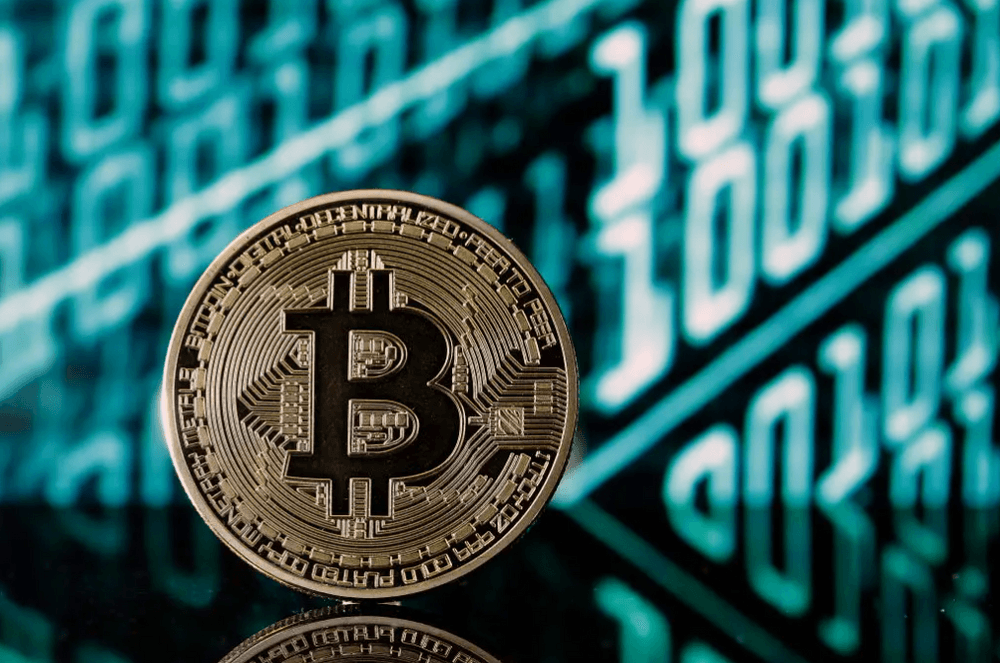


Market-supported research has demonstrated that the use of blockchain in digital asset management can aid in the prevention of financial scams.
It seems that, out of all the areas where blockchain is anticipated to make a difference, digital asset management will have the most long-term advantages. According to expert opinions, blockchain in digital asset management has the potential to revolutionise the asset management sector as a whole.
According to the accounting firm BDO Global’s 2020 Financial Services Digital Transformation Survey, 33% of middle market organisations’ asset management executives reported that they have already used decentralised ledger technology (DLT), with another 48% still considering it.They also anticipated that in the upcoming years, blockchain-powered digital assets would grow in popularity. In addition to being popular, blockchain has the potential to revolutionise the way that digital assets are maintained, according to Rajagopal Menon, vice-president of WazirX, a cryptocurrency exchange. Menon spoke with FE Blockchain about this topic.

Market-supported research has demonstrated that the use of blockchain in digital asset management may assist guard against financial crime and assure asset tokenization. According to an investment firm named Manning & Napier, the use of blockchain in digital asset management may assist assure benefits like transparency and immutability, quick settlement of transactions, accessibility, and consensus building, among others.
Smart contracts, which assist eliminate middlemen traditionally employed in commercial transactions, define rules and penalties and verify and enforce contractual commitments, were introduced with Blockchain 2.0. According to Amanjot Malhotra, national head for India at cryptocurrency exchange Bitay, “this technology enables content producers to share ownership of an asset, guarantees that payments are allocated, and facilitates the transfer of rights when investments are sold or transferred.”
According to reports, blockchain technology is used by exchanges like Coinbase and Binance as well as protocols like AAVE and Compound for their digital asset-based services. In addition, businesses including JP Morgan, Morgan Stanley, and BNY Mellon have begun to employ blockchain to secure consumers’ digital assets. The combination of blockchain technology with digital assets is anticipated to have positive effects on a number of industries, including finance, investment banking, and insurance.
Additionally, industry experts forecast that organizations, that are expected to have an asset management plan, would use blockchains like Ethereum. The use of blockchain in digital asset management strategies is seen to be crucial for organizations that have experience with high-security data or for organizations that have their own validation networks, according to Kellton, an IT consulting firm.
“I think that with the introduction of green cryptocurrencies and utility non-fungible tokens (NFTs), digital asset management on a blockchain has emerged as a major trend in a number of different economic sectors. Blockchain is anticipated to gain further applications and take over markets for digital asset storage in the future. Blockchain-based digital asset management is also anticipated to be widely adopted in the upcoming year in industries like additive manufacturing, transportation and mobility, infrastructure and energy, retail and consumer packaged goods, agriculture and natural resources, and information and communication. Blockchain company Antier’s founder and CEO, Vikram R. Singh, was cited.