
Investing bubbles have a terrible reputation. Maybe instead of laughing at them so much, we should be thanking them more. Why? Because even while they leave a great deal of suffering in their wake, they also eventually leave us with benefits purchased with money from other people.
For instance, we now have better bicycles because of the 1896 bicycle bubble. The US’s highways also saw a notable improvement as a result of it. Surfaced roads were still uncommon at the time, as Sandy Nairn notes in his 2002 book Engines That Move Markets (a must-read for anybody interested in how new technology fuels bubbles). The bicycle boom prepared the stage for the introduction of the vehicle by having them resurfaced.
We now have astonishingly efficient and quick combustion-engine automobiles thanks to the early 1900s overinvestment in the auto sector. Between 1908 and 1910, 600 new car manufacturers were established in the US. When they first started, cars were moving so slowly that opponents would stand by the side of the road and shout at the drivers to “get a horse”; now, we need speed restrictions to stop everyone from traveling at 150 mph.
We now have more advanced diving technology thanks to the 1690s diving bell bubble (all the better for finding wrecks with). Railways are thanks to the railway bubble (and, in the UK, an accounting revolution). The US housing bubble of 2007 at least left a significant number of houses in its wake, whereas the dotcom boom provided us the foundation for the contemporary internet. Even the infamous tulip bubble left behind some stunning blooms (some of which are still in existence today) and some very amazing paintings (it encouraged a focus on floral displays ). Even the South Sea Bubble in the UK made some advancements in the support system for joint stock corporations, although being mostly based on absurd claims.
You see what I mean. Overall, it’s not a terrible trend to invest in long-term, unprofitable capital investment when you have money and a love of fantastic stories.
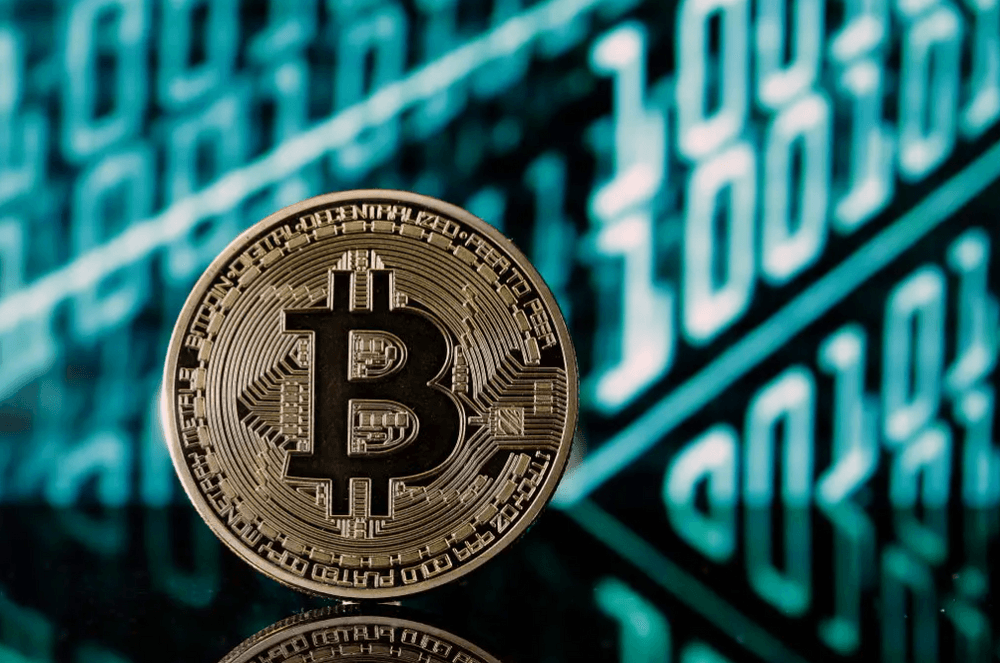
Let’s move on to the massive crypto bubble of today. Sadly, it appears that this particular one will rupture and leave just agony behind; it may even be an anomaly.
Sam Bankman-Fried is quickly becoming aware of it. The value of FTX’s creator, who founded the platform, has dropped from $26 billion to zero. You may argue, with some justification, that the cause of his collapse was a platform failure rather than the failure of cryptocurrencies. That is somewhat accurate. In many respects, it is a fairly typical tale of greed, possible fraud, and liquidity problems (the notion of a business using customer deposits as a source of funding for speculation is not particularly novel). Perhaps not much different from the type of bezzle that is disclosed at the conclusion of each bubble.
Consider a world without cryptocurrencies like Bitcoin, Ethereum, Ripple, Litecoin, and others. You’ll probably find it simple. Because it is not at all ingrained in your life, that is. It isn’t in your pension, you don’t use it, you don’t spend it, you don’t consider it a kind of currency, and if someone asked you what problem in your life it may address, you probably couldn’t come up with anything. That is reasonable. I am also unable.
Fans claim that because of its scarcity, Bitcoin is a terrific store of wealth since it is a great inflation hedge. However, while scarcity alone does not provide intrinsic value, it does when paired with utility or appeal. Bitcoin has decreased 62% in pound terms this year (or 66% in US dollars), while the UK CPI is currently at 11.1%. Bad start, so far. Is there any reason to think that there is a legitimate application for cryptocurrency that will increase in value over time?
Yes, according to believers, money is beneficial since it is transportable, readily divided, liquid, independent of the government, and private. Hmm. The first three of these statements could be accurate if your platform doesn’t fail. Your bank account, however, provides the same thing. What about private and unaffiliated with the government? After the forthcoming regulatory splurge, we can revisit it. Even worse, all of those characteristics might quickly become meaningless if you don’t utilize a platform, which purists believe you shouldn’t. No customer assistance is offered. You forgot your passcode. Oh well. You also misplaced your crypto.
Of course, if enough people get involved, none of this will matter. The emperor’s new robes will only have value if everyone learns to believe in them. Goldman Sachs predicted earlier this year that if more people started using Bitcoin as a store of value on par with gold, its price might reach $100,000 in five years. This suggests, however, that the price may reach zero if fewer people view it as a store of wealth (and I believe this is the situation right now).