

The usage of the Internet of Things (IoT) has increased dramatically during the last few years. Businesses are incorporating IoT devices into both their operations and the lives of their clients. But these systems still have a lot of unrealized promise. IoT hardware and sensors are fundamentally limited in what they can achieve. They are powered by somewhat dated technology, which is impeding progress. Fortunately, blockchain technology and 5G connection are on the horizon and will not only open new possibilities but completely transform several sectors.
Let’s start by discussing what 5G technology is in reality. The following significant wireless standard after 4G LTE is 5G or fifth-generation wireless. The goal of 5G is to develop a network that is substantially faster and can handle far more data than our present data networks. “Blockchain technology and IoT devices will be simpler to combine because of 5G’s increased speed and capacity. The administration and communication of IoT devices on the present 4G network are quite challenging.
These gadgets ought to be able to connect with one another considerably more conveniently via 5G. In other words, 5G technology will allow blockchain-based IoT devices to communicate with one another, according to Prashant Malik, founder, and CEO of Heru Finance and widely credited as the creator of Apache Cassandra, the distributed database used by Netflix, Meta, and many other large corporations.
The goal of the Internet of Things is to increase the use of commonplace items and appliances by connecting them to the internet. IoT gadgets may include anything, including your automobile, smart TV, and coffee maker. The issue is that these gadgets aren’t all that intelligent. “Blockchain technology can help with that. Peer-to-peer systems are used in blockchain technology, such as a decentralized ledger, to record and carry out transactions. This makes it perfect for scenarios involving numerous participants in a transaction, such as IoT devices. IoT devices will be able to communicate with one another and handle data more easily and securely thanks to blockchain technology, says Malik.
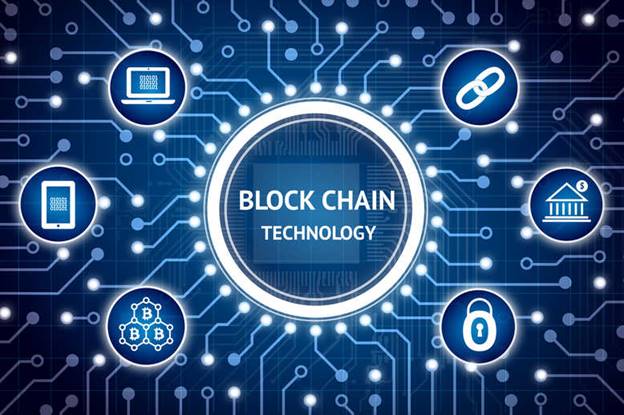
Additionally, experts think that 5G and blockchain have the potential to revolutionize the telecom sector. The generation of bills when a customer travels overseas is one of the biggest problems the telecom sector is now facing. The high cost of international roaming is a result of the number of parties required to make sure you can access a mobile network.
The use of blockchain technology is possible across several sectors. This is helpful in fields like fashion where customers want to know where their clothing is made. “Tracing and authenticating items will be simpler with the use of blockchain technology. Additionally, it may be applied to enhance inventory control. For instance, if one of your suppliers is experiencing a stock shortfall, the blockchain system may alert you in real-time, he explained.
The improved security and transparency of blockchain technology are two of the main factors driving its adoption in the supply chain sector. “Tracking the flow of commodities is one of the most practical uses of blockchain technology. It might be challenging to predict an item’s location and arrival date if it is transported internationally. Businesses will be able to follow each stage of the trip using blockchain technology, according to Malik.
Thanks to 5G and blockchain technologies, the future is undoubtedly bright. We anticipate that these two technologies will transform industries and alter how we live.