


Prices for cryptocurrencies are solely based on conjecture. Prices of these digital assets are determined mainly by how much consumers are willing to pay and are not supported by real-world assets or real-world use cases.
Revolutionary concepts like decentralization, operating without concern for the law, independence from financial intermediaries for transactions, etc. sparked an unheard-of rise in the cryptocurrency market in recent years. This year, it seems that the same concepts have finally been done in the fledgling digital asset. Crypto markets are now having trouble attracting new investors after being hit by numerous collapses and losing over $2 trillion in market cap in a short time. The declining trading volumes across exchanges is another indicator of the purchasers’ waning enthusiasm.
Prices for cryptocurrencies are solely based on conjecture. Prices of these digital assets are determined mainly by how much consumers are willing to pay and are not supported by real-world assets or real-world use cases. Although speculative activity frequently raises prices, the recent Terra (Luna) fiasco has demonstrated that the same activity may quickly destroy a cryptocurrency’s whole worth.
Excessive speculation, the miss-out panic, excess money supply in the hands of idling individual investors, and hype have all contributed to the bull run in cryptocurrency. It is surprising that it displayed every symptom of previous speculative manias, such as the tulip mania or the dot-com bubble, but participants and observers ignored them because they believed they were missing a fundamental concept, according to Utkarsh Sinha, Managing Director at boutique investment bank Bexley Advisors, who spoke with FE Online.
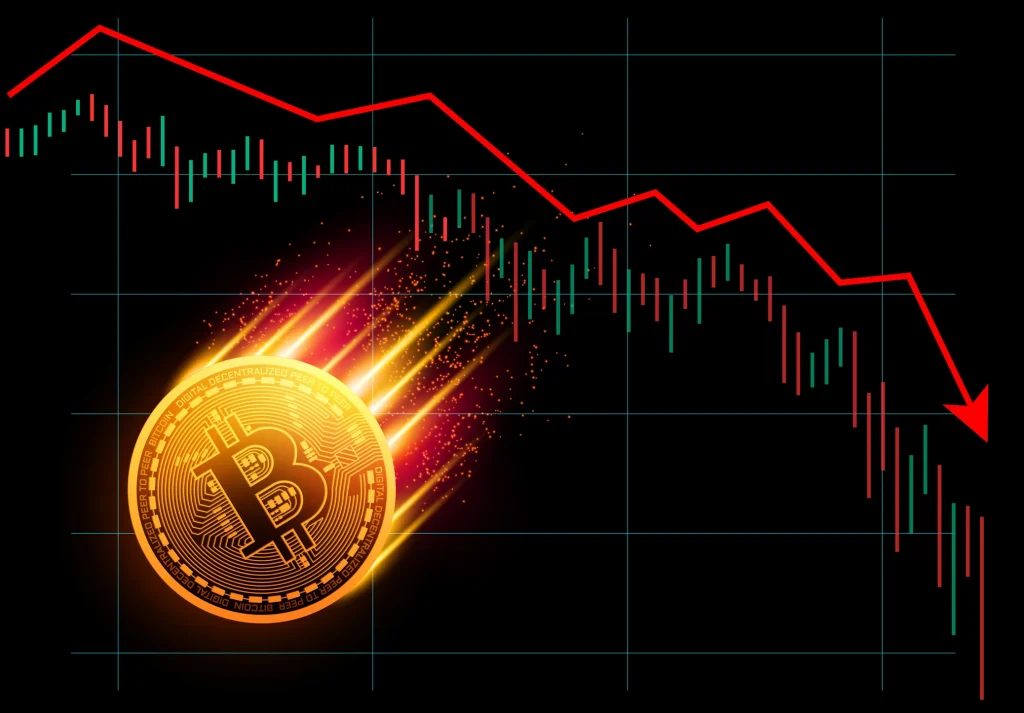
The current market capitalization of all cryptocurrencies is $914 billion, and the price of Bitcoin, the most widely used cryptocurrency, is down more than 70% from its all-time high of $68,789 just eight months ago in November 2021.
Many cryptocurrency companies, including Vauld, Celsius, Voyager Digital, Huobi Thailand, and Three Arrows, have taken the brunt of the market’s sharp decline, which is seen to be a direct result of a lack of control or regulation.
According to experts, concepts like total decentralization cannot support a market where money is traded. Trading in cryptocurrencies, which functions much more like financial markets, is also common.
“The idea of complete decentralization is a myth. To secure the governance and compliance required for the industry’s expansion, we need gatekeepers in the cryptoverse, according to Sharat Chandra, VP, Research and Strategy at blockchain-based identity management platform EarthID.