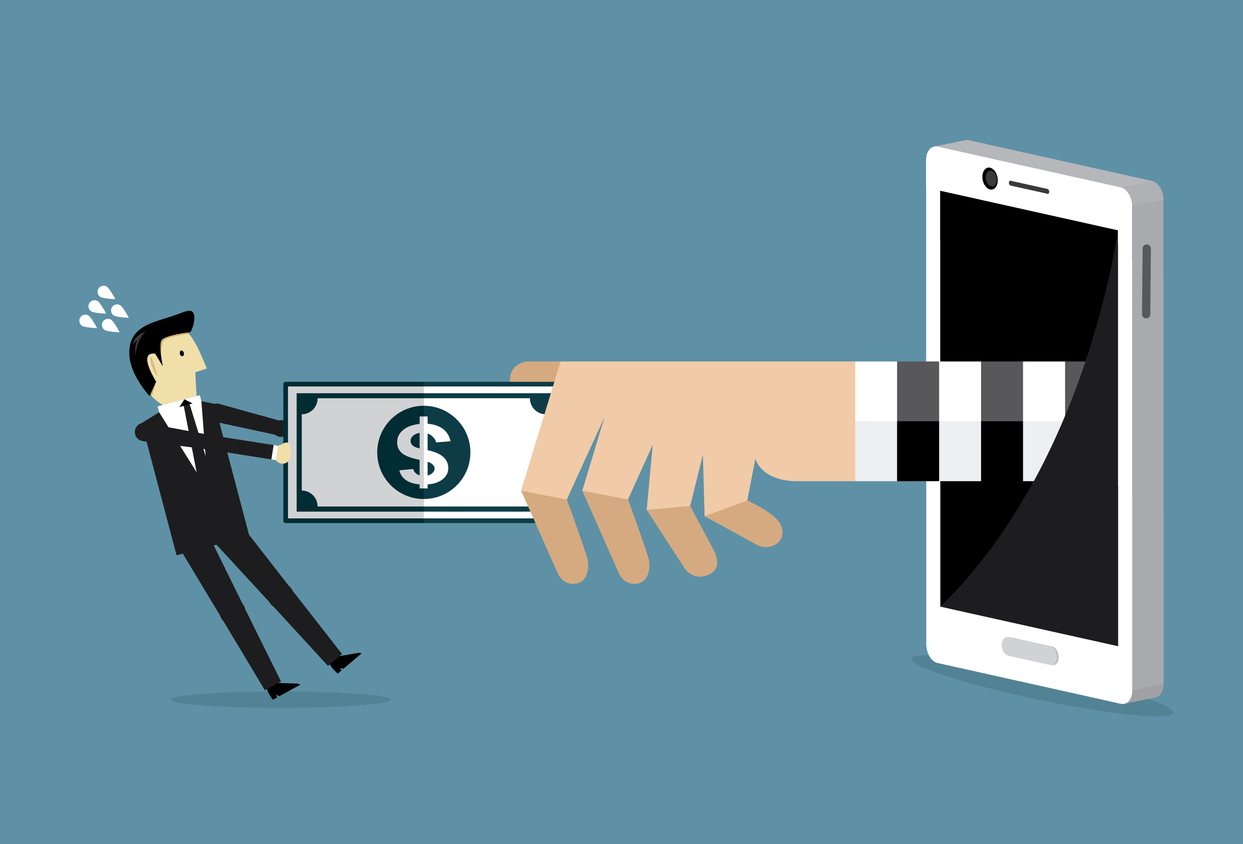

Ruja Ignatova, known as the “Cryptoqueen,” was most recently added to the FBI’s top ten most wanted list, which has brought the OneCoin fraud back into the limelight. The information concerning the fraud that you could have overlooked is as follows:
What is OneCoin?
Companies called OneCoin Ltd (registered in Dubai) and OneLife Network Ltd, both of which had offices in Bulgaria, were promoting OneCoin as a cryptocurrency although it was actually a Ponzi scam (registered in Belize).
US prosecutors claim that the fraud generated over $4 billion in total income. Chinese law enforcement seized 1.7 billion yuan ($267.5 million) while prosecuting 98 people.
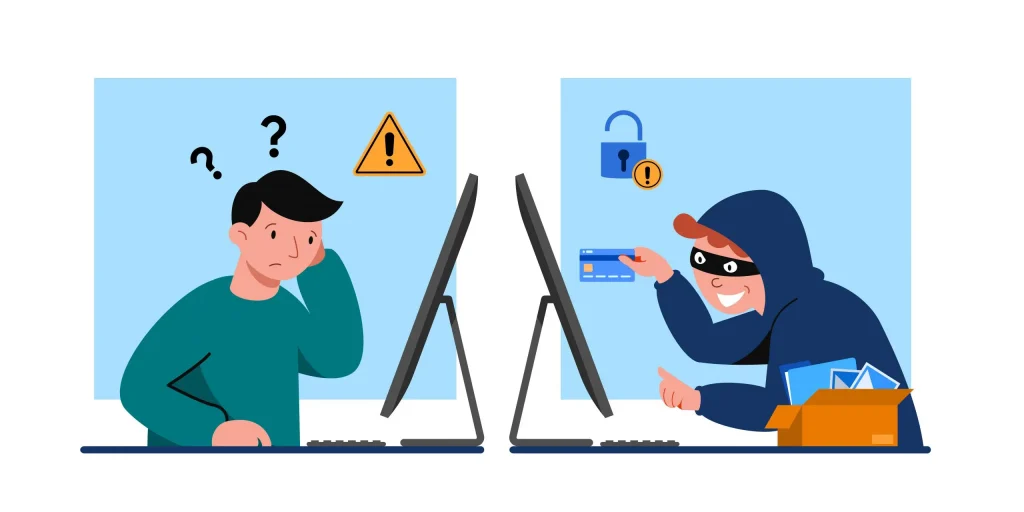
Who was responsible for the OneCoin hoax?
Sebastian Greenwood and Ruja Ignatova both pushed the OneCoin hoax. In 2017, shortly before her brother Konstantin Ignatov took control and a secret US arrest warrant was filed for her, Ruja Ignatova disappeared. Although Ruja Ignatova hasn’t been found, her name has lately been placed to the FBI’s most-wanted list. Konstantin Ignatov was jailed in March 2019, while Greenwood was detained in 2018. In November 2019, Konstantin Ignatov pleaded guilty to charges of fraud and money laundering. The maximum penalty for the offenses is a 90-year term in jail.
How was the OneCoin fraud carried out?
OneCoin made its debut in late 2014.
Instead of being a decentralized coin, it was centralized money kept on the computers of OneCoin Ltd.
OneCoin asserted that trading in educational resources was its main business.
For between 100 and 118,000 euros or up to 225,500 euros in the case of one industrial blog, members can acquire instructional packages.
The “tokens” included in each shipment can be used to “mine” OneCoins.
They allegedly said that OneCoin is mined by servers at two locations in Bulgaria and one location in Hong Kong.
Except for levels 6 and 7, each level or package offers new instructional material that has been taken verbatim from diverse sources.
However, during a typical OneCoin recruiting meeting, recruiters tend to focus on bitcoin investing and seldom ever bring up the course material.
OneCoin Trade, xcoinx, an internal market for members who have invested more than simply a beginning package, was the sole venue to exchange OneCoin for any other money. Euros were put in a virtual wallet where OneCoins may be swapped for them and then requested for wire transfers. The number of onecoins that could be traded was severely constrained by the marketplace’s daily selling caps, which were determined by the packages that the seller had purchased.
OneCoin suddenly announced on March 1, 2016, that the market will be down for two weeks for maintenance, citing a large number of miners and the need for “improved interaction with the blockchain.” The market resumed on March 15, 2016, with no obvious modifications; the majority of transactions expired as before, and daily limitations remained in place.
The exchange was unexpectedly shut down in January 2017, and the problem fell under the jurisdiction of international regulators.